
There is no significant demand in the spot and futures markets, which are showing a marked bearish bias. Furthermore, the current market environment closely resembles the end of the bull markets observed in early 2018 and early 2022.
At a Crossroads
After an encouraging start to 2026, the BTC price is struggling to break through the $95,000 resistance level and maintain bullish momentum.
In the short term, the balance between buying pressure and selling behavior remains fragile and decisive:
- either the market manages to absorb the recent selling pressure and reignite sustainable upward momentum;
- or a deeper correction phase could take hold (dead cat bounce scenario).
Which of these two possibilities will materialize in the coming weeks?
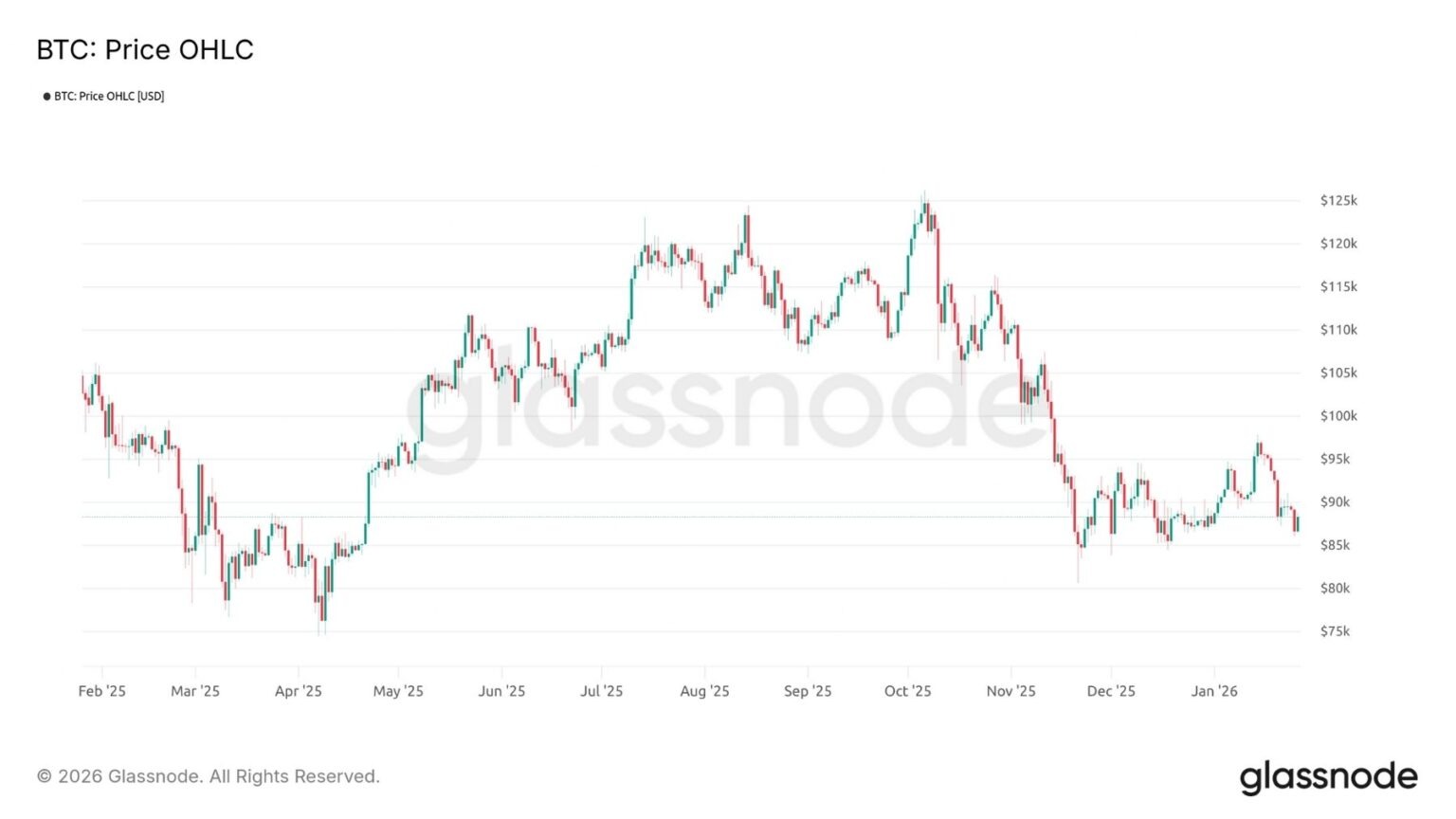
Figure 1: Daily BTC Price
Cyclical Position
To better understand the current market situation, let’s take a step back and assess BTC’s long-term position. To do this, we can track the evolution of the percentage of the supply in profit, as well as its four-year and cumulative averages.
This metric measures the profitability of the circulating supply to estimate whether the BTC market is in an overbought, oversold, or balanced zone. The four-year and cumulative averages serve as reference thresholds to distinguish between bullish and bearish market conditions.
In this regard, the correction at the end of 2025 caused the percentage of the supply in profit to fall below these two levels, estimated at around 75%. While the BTC market historically exits bull market conditions when fewer than three out of four bitcoins are held at a profit, the rejection of this threshold in the following weeks makes the hypothesis of a dead cat bounce particularly credible.
In fact, the current market context closely resembles the end of the bull markets observed in early 2018 and early 2022. However, to confirm the start of a bear market, this dead cat bounce will need to be validated by a continued decline below the $85,000 support level.
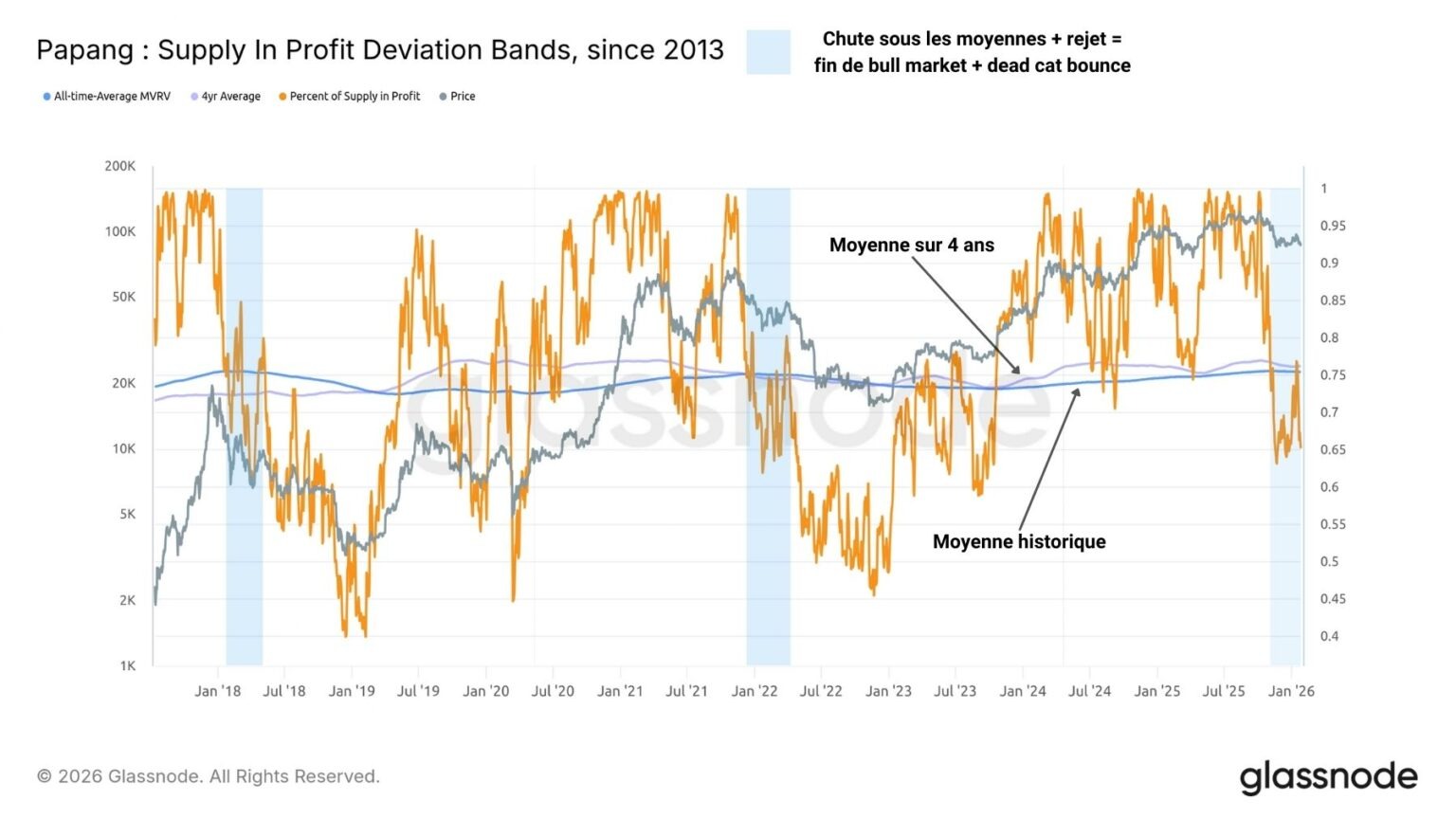
Figure 2: Percentage of BTC in profit
A very similar observation can be made using the “Fair Price” (blue) and the short-term average purchase price (cyan), two metrics whose functioning was detailed in our previous analysis.
By dipping below these two price models in November 2025, BTC dipped into bear market territory before consolidating above $85,000.
The current challenge is to determine whether the market will manage to break above these two levels to re-establish a healthy uptrend, or whether they will act as resistance levels capable of blocking BTC’s recovery.
Over the past few days, Bitcoin has rejected the short-term average purchase price, further anchoring the market in a configuration similar to the late stages of the 2018 and 2022 bull cycles.
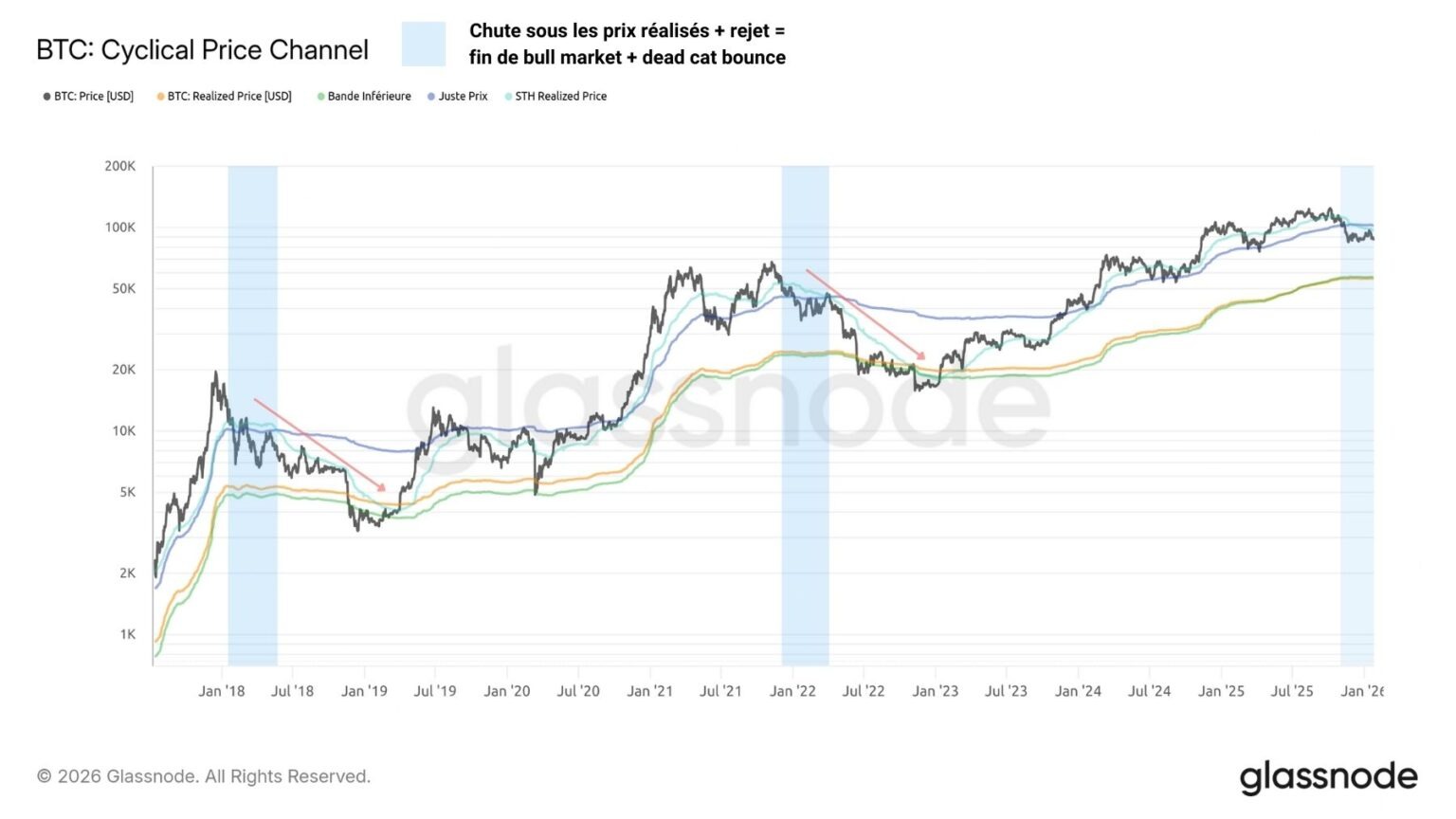
Figure 3: Fair Value and Short-Term Average Purchase Price
Supply/Demand Balance
In this type of context, a key factor to monitor is the supply/demand balance:
- if sufficient buying pressure emerges, the BTC price could maintain bullish momentum and break above $95,000;
- if selling pressure takes over, the market will confirm the dead cat bounce and plunge below $85,000.
In short, investor behavior plays a key role during the transition phases between bull and bear markets.
On the institutional investor side, particularly via spot Bitcoin ETFs, significant selling pressure is once again emerging, even though substantial buying volumes were still observed in recent weeks.
It is likely that the return to the trading range following the failure to break above $95,000 has undermined the confidence of these players, who are now more hesitant about the short-term trend.
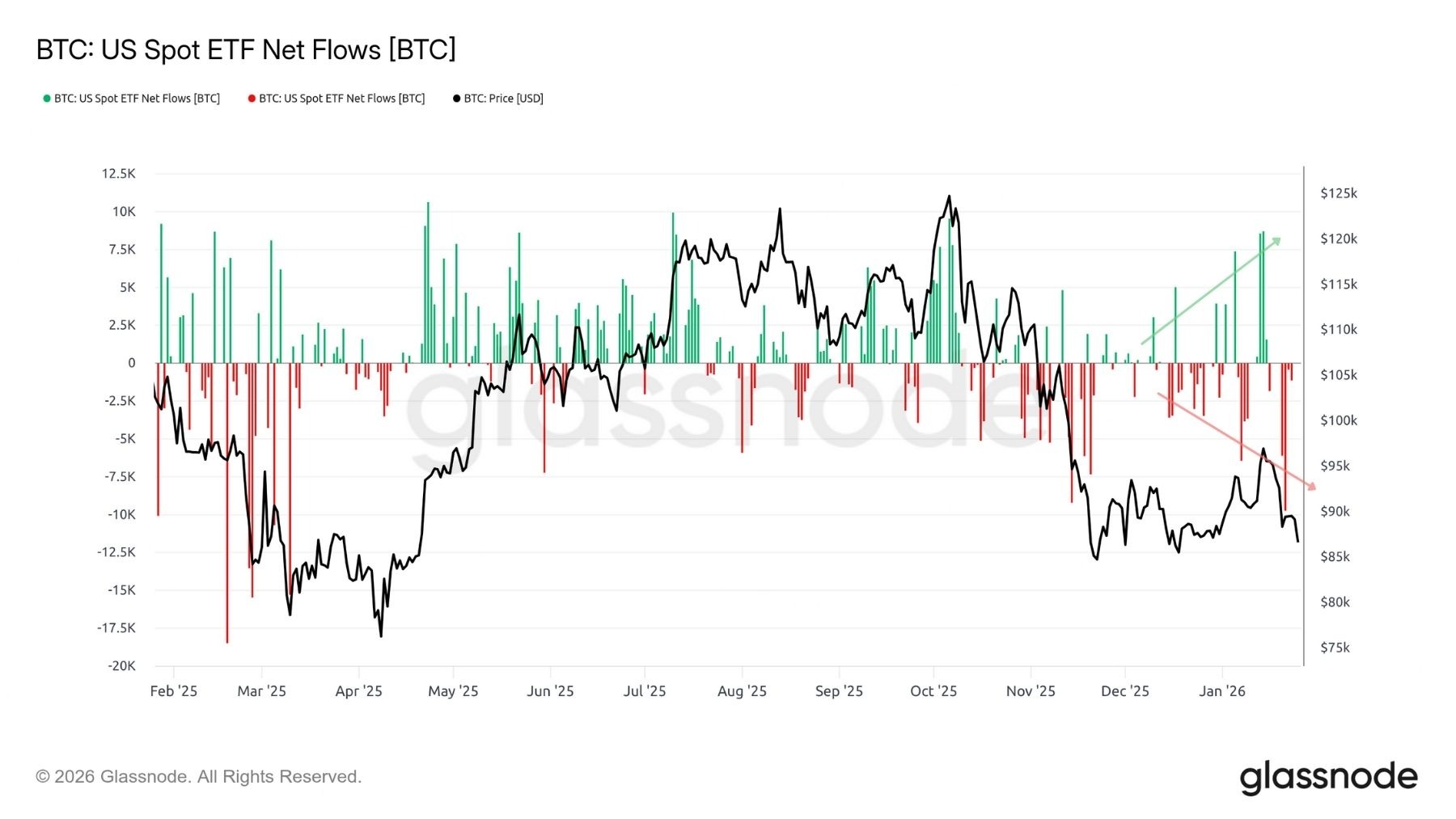
Figure 4: Net Buy/Sell Flows of Spot Bitcoin ETFs
On centralized spot exchanges, buying spikes gave way to significant selling activity this week, with over 1,000 BTC sold on Binance and Coinbase.
While spot demand was still present during the attempt to break through $95,000, it quickly ran out of steam, signaling a lack of confidence and commitment on the part of investors.
This observation reinforces the “dead cat bounce” scenario, in which market participants lack sufficient conviction to hold their positions and ultimately sell their holdings to limit losses.
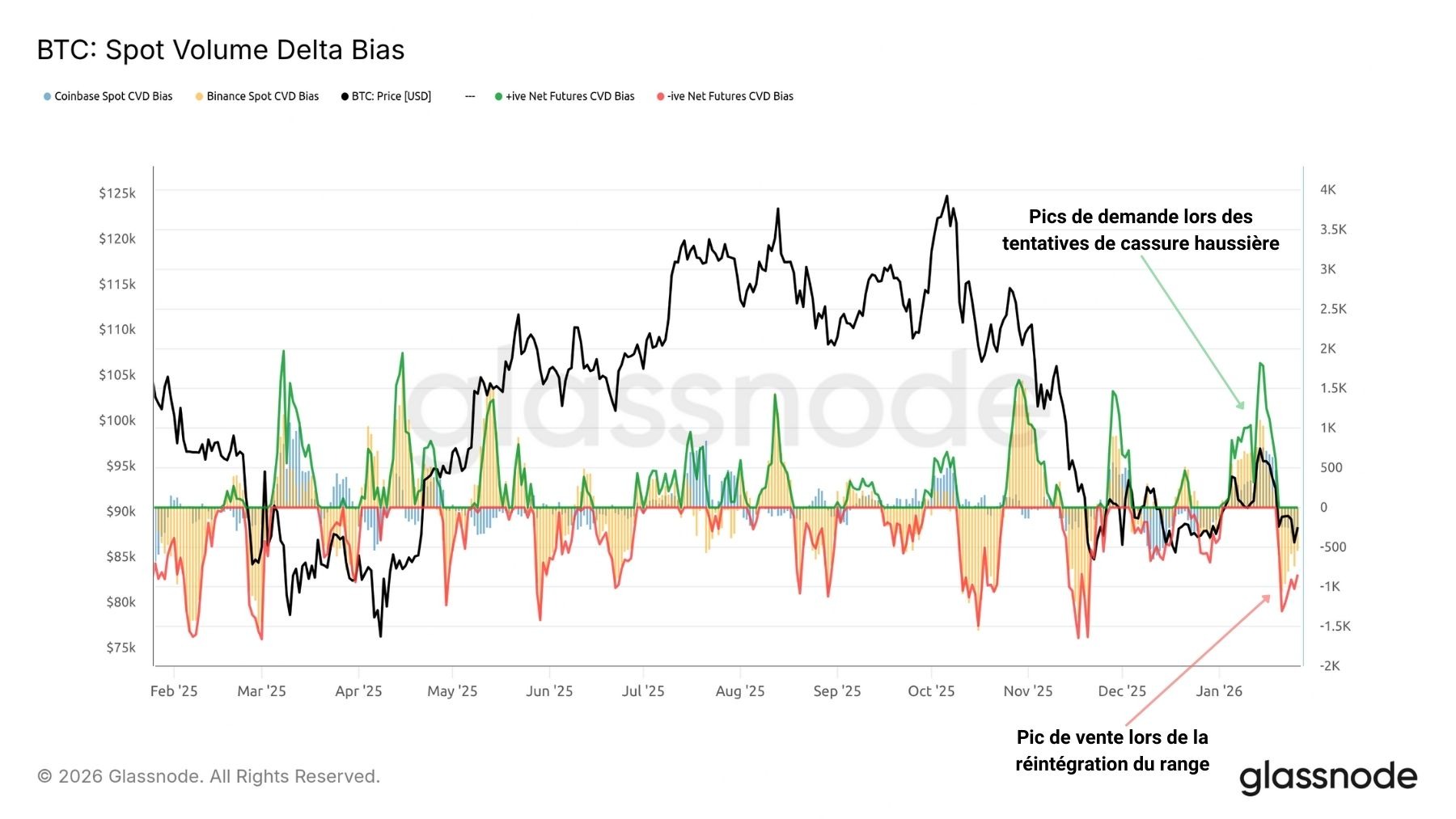
Figure 5: Net Buy/Sell Flow on Centralized Spot Exchanges
In the derivatives markets, the low level of bullish speculation observed around the $95,000 mark has given way to renewed net selling pressure, driven by the opening of short positions.
The fact that speculators are more inclined to sell than to buy is a further sign of deteriorating market sentiment.
However, excessive bearish speculation could, in the short term, create opportunities for a short squeeze, which could provide temporary relief to the market.
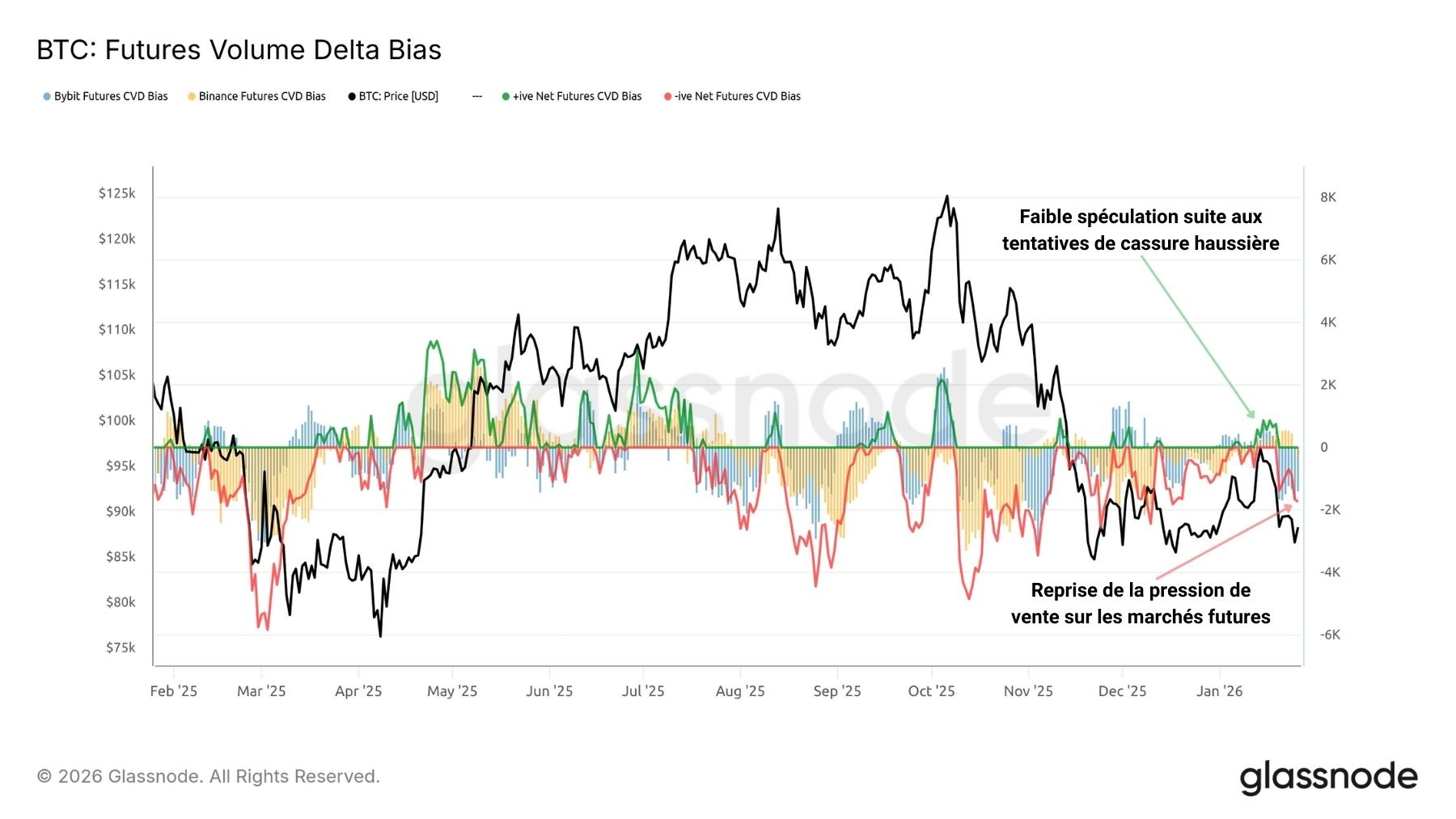
Figure 6: Net buy/sell flows on centralized futures exchanges
Finally, the long positions accumulated over the previous weeks also contributed to the BTC correction, generating an excess of speculative risk that the uptrend could have easily done without.
After absorbing the long positions below $90,000, it would be preferable for the BTC price to avoid retesting $85,000, lest it trigger a prolonged downtrend in 2026.
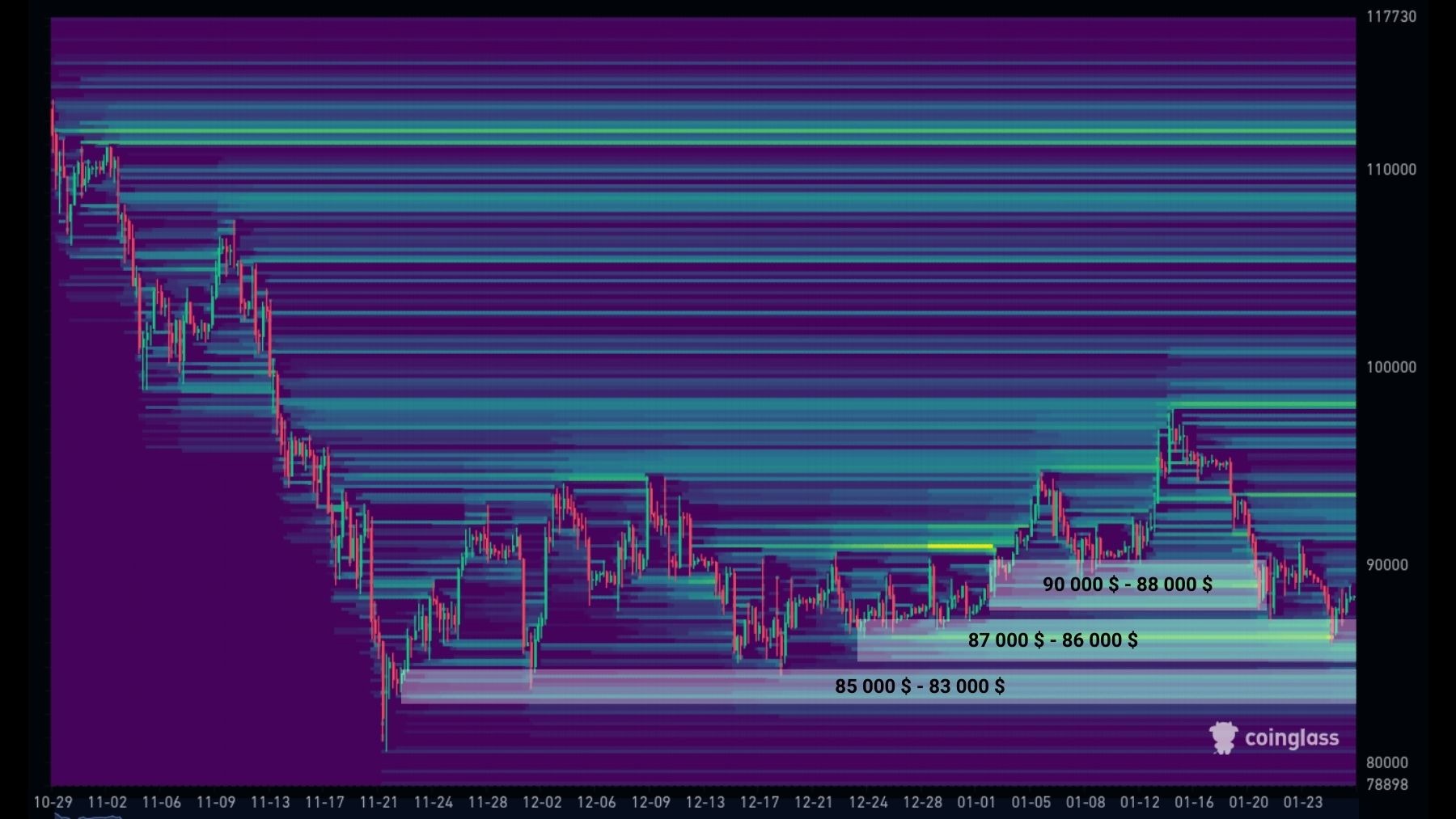
Figure 7: Liquidation thresholds in BTC futures markets
Summary of this on-chain analysis of Bitcoin (BTC)
The current market context closely resembles the end of the bull markets observed in early 2018 and early 2022. However, to confirm the start of a bear market, it will be necessary to validate the dead cat bounce scenario through a continued price decline below the $85,000 support level.
In this type of scenario, a key factor to monitor is the balance between supply and demand:
- if sufficient buying pressure emerges, the BTC price could maintain bullish momentum and break through the $95,000 resistance level;
- if selling pressure takes over, the market will confirm the dead cat bounce and plunge below $85,000.
At present, there is no notable demand in the spot and futures markets, which are showing a marked bearish bias, increasing the risk of a prolonged downtrend taking hold in 2026.