
The amount of capital invested in options has surpassed that of futures for the first time since 2023, signaling a clear preference among speculators: the structure of Bitcoin’s derivatives markets has changed.
Red for the holidays!
As the BTC price consolidates between $85,000 and $95,000, the likelihood of a short-term technical rebound is increasing. As the weeks go by, the market is becoming increasingly entrenched in an end-of-bull-market environment.
Demand in the spot markets remains limited, and liquidity in the derivatives markets comes mainly from options, which is still insufficient to fuel a serious recovery.
As 2025 draws to a close, it seems essential to revisit an interesting trend that has gone unnoticed in recent months: the structure of the derivatives markets has undergone a profound evolution in recent months. Here is an overview.
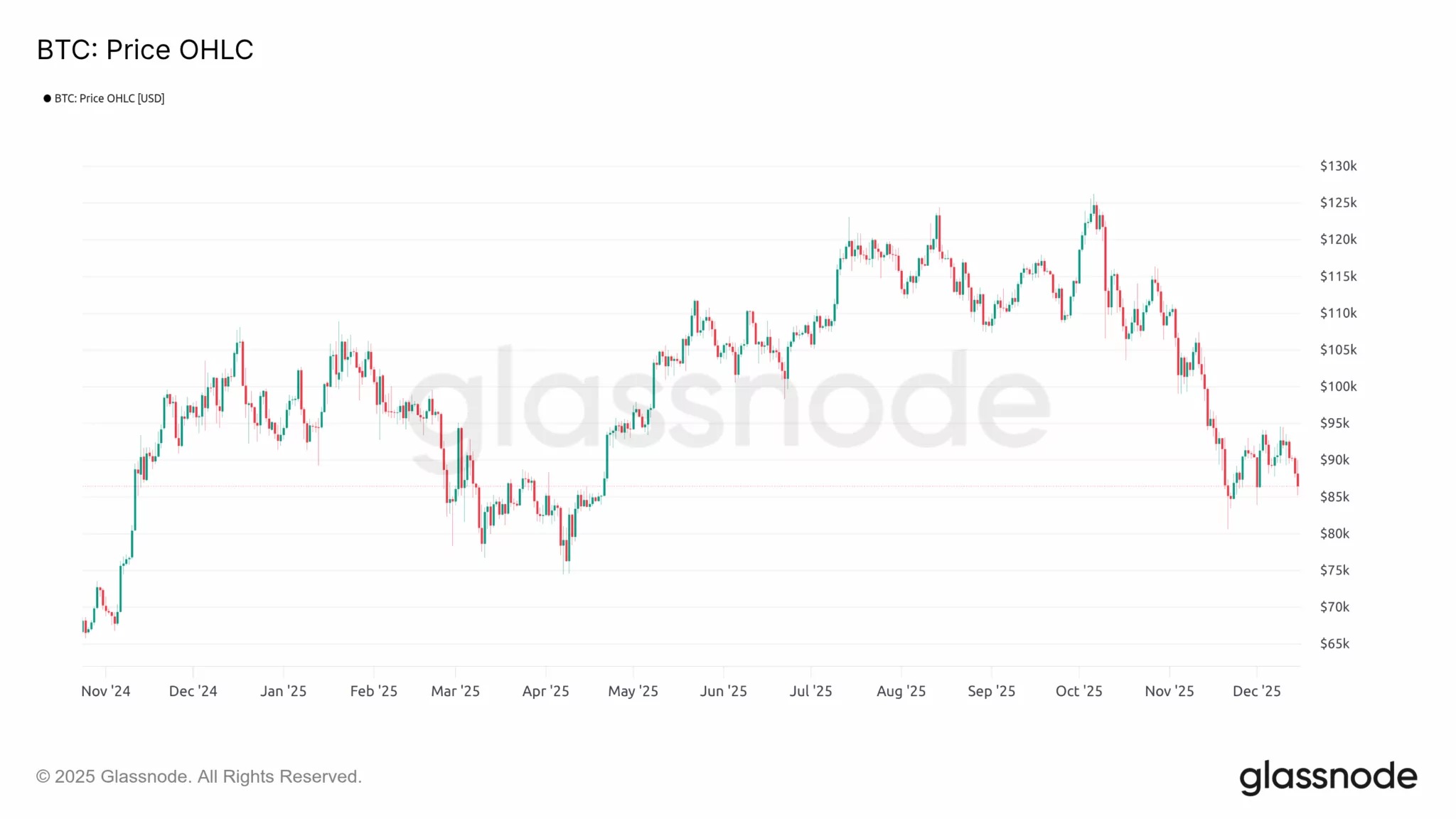
Figure 1: Daily BTC Price
Diversified speculation
Participants in the derivatives markets have numerous tools at their disposal to speculate while managing their risk. Historically, futures contracts have been very popular, thanks in particular to the services of giants such as Bybit, Binance, and the now-defunct FTX.
These contracts attract significant capital, reaching nearly 480,000 BTC in open positions in December 2024. However, this figure has declined in 2025, currently standing at nearly 350,000 BTC.
While this decline is partly explained by major liquidation events over the past few months, it is possible that demand for this type of instrument is shifting elsewhere.
Note: This data does not include the open interest in Chicago Mercantile Exchange (CME) futures contracts, estimated at nearly 125,000 BTC.
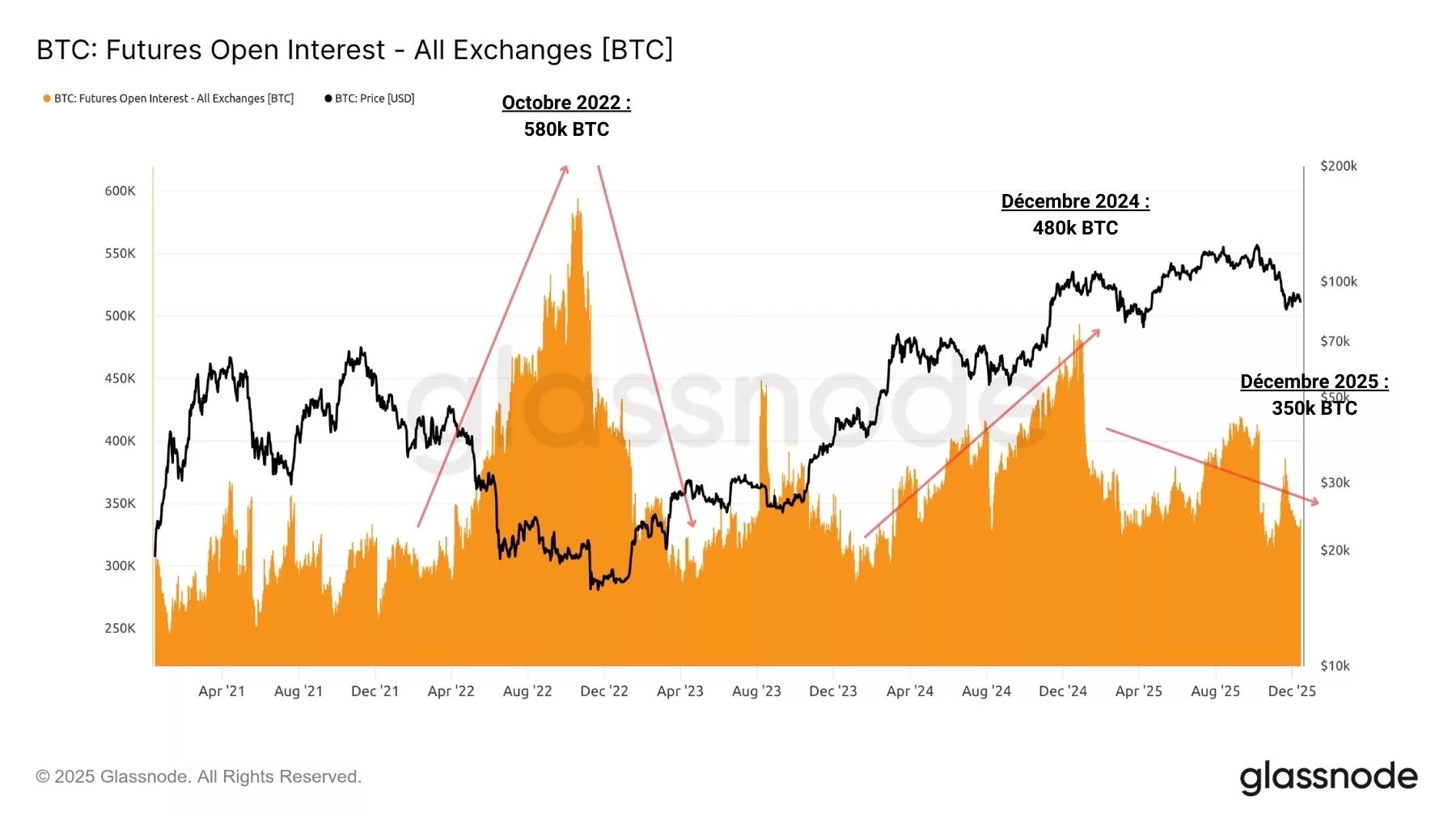
Figure 2: Open interest in BTC futures contracts
Perpetual contracts, unlike futures contracts, do not have expiration dates. They are also a favorite instrument among speculators and have maintained an open interest of 300,000 to 400,000 BTC since the end of 2022.
This stability over several years suggests that perpetual contracts remain a preferred tool for investors, despite a notable drop in 2025, similar to futures.
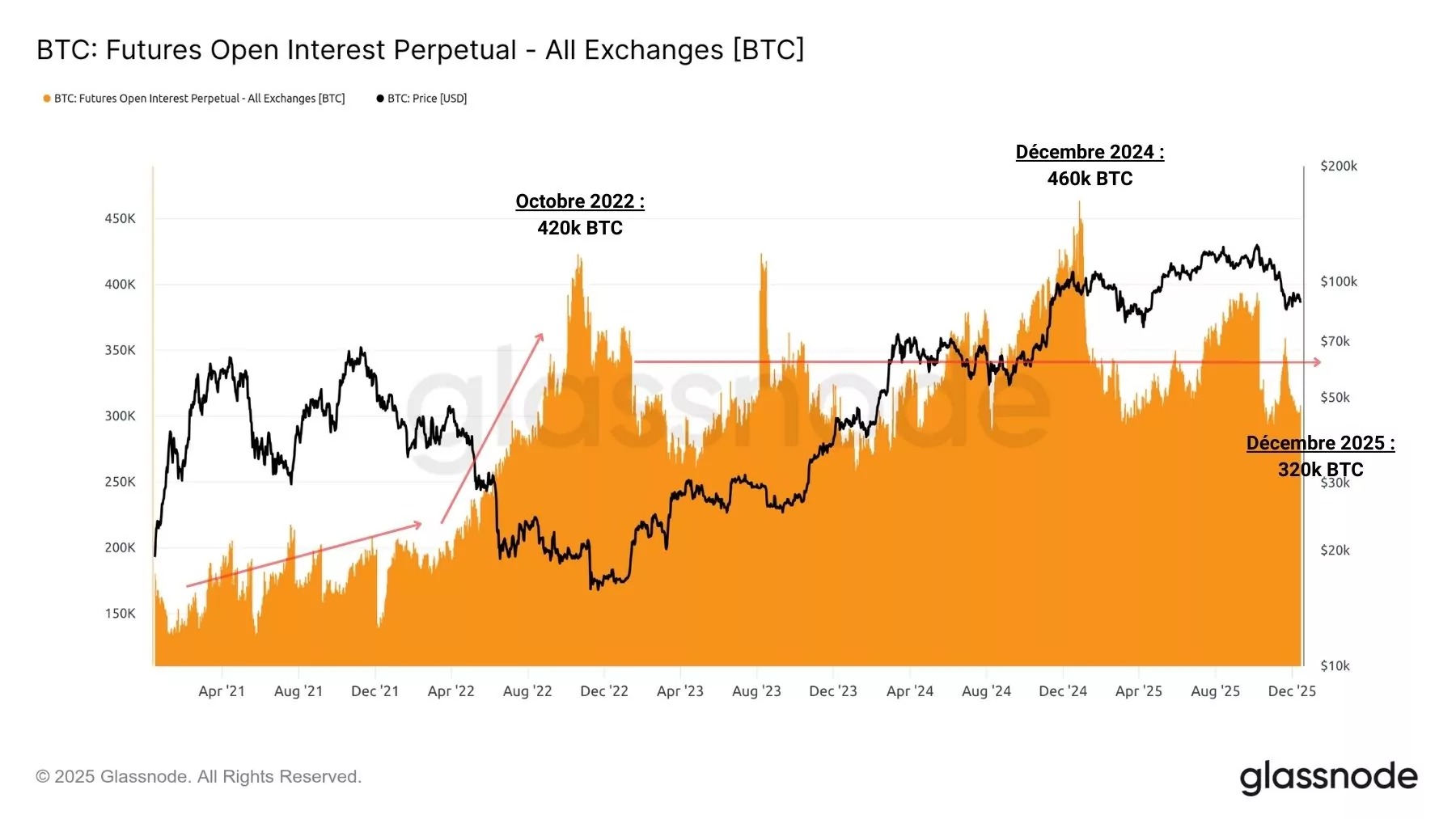
Figure 3: Open interest in BTC perpetual contracts
On the other hand, options saw continuous growth in open interest in 2024 and 2025, to the point of becoming the dominant segment of the Bitcoin derivatives markets in terms of capital invested.
Since options are widely used by traditional financial institutions for risk management, this trend suggests the arrival of new players in the derivatives markets.
While retail investors more often use simple futures and perpetual contracts, institutional investors hedge using strategies more sophisticated than simple positions in futures contracts.
Note: An option is a financial contract that gives the holder the right, but not the obligation, to buy or sell a specified asset at a predetermined price (called the strike price) on a specific date (the expiration date).
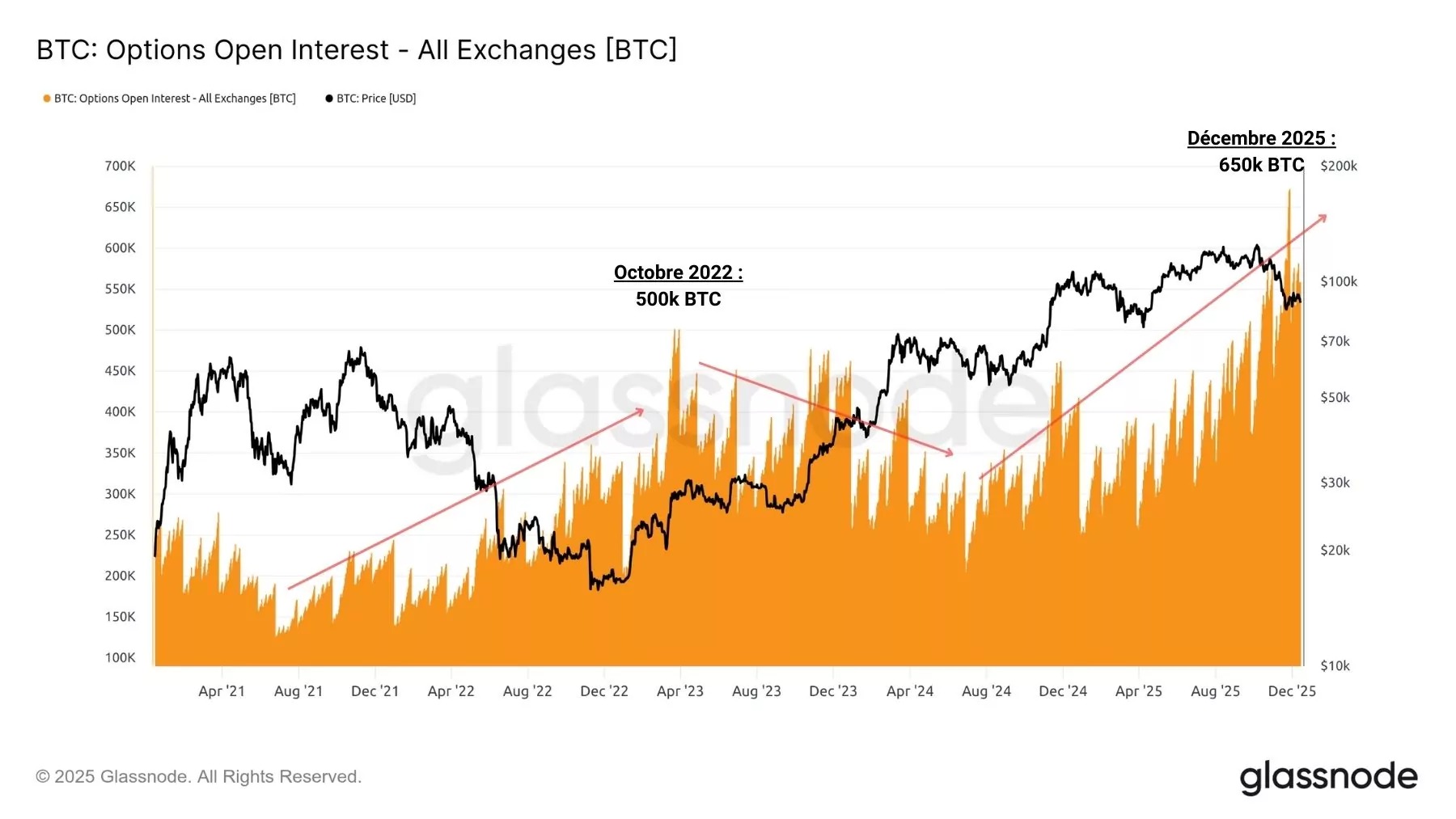
Figure 4: Open interest in BTC options contracts
The surge in options activity in 2025 becomes even more apparent when the three types of contracts are measured side by side, with a clear upward trend that contrasts with the declines in open interest for futures and perpetual contracts.
The amount of capital invested in options exceeds that of futures (including CME) for the first time since 2023, reaching nearly 650,000 BTC, signaling a clear preference among certain traders for this type of financial instrument.
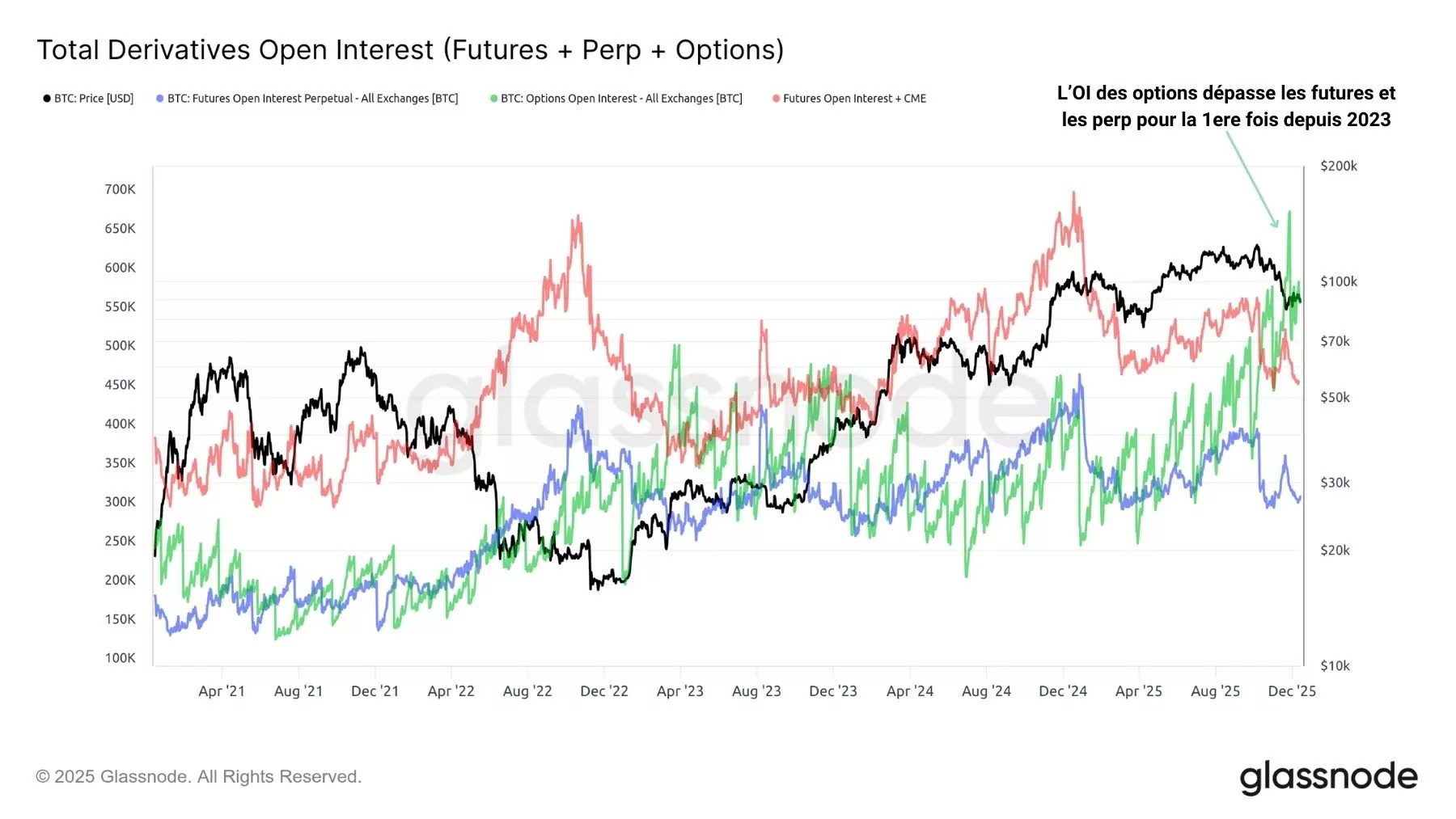
Figure 5: Open interest in BTC derivative contracts
Considerable Volumes
Derivatives markets handle impressive volumes of capital. Despite the decline in activity for futures and perpetual contracts, they are estimated at nearly 400,000 BTC per day, compared to tens of thousands for options.
The contrast with the total volume of spot exchanges (approximately 100,000 BTC) is significant, meaning that there are now more “paper bitcoins”—financial positions—than bitcoins actually held on spot exchanges.
This phenomenon can be interpreted as a sign of the maturing BTC market, which is opening up to new capital flows and new investment methods that go beyond the limits of its spot market.
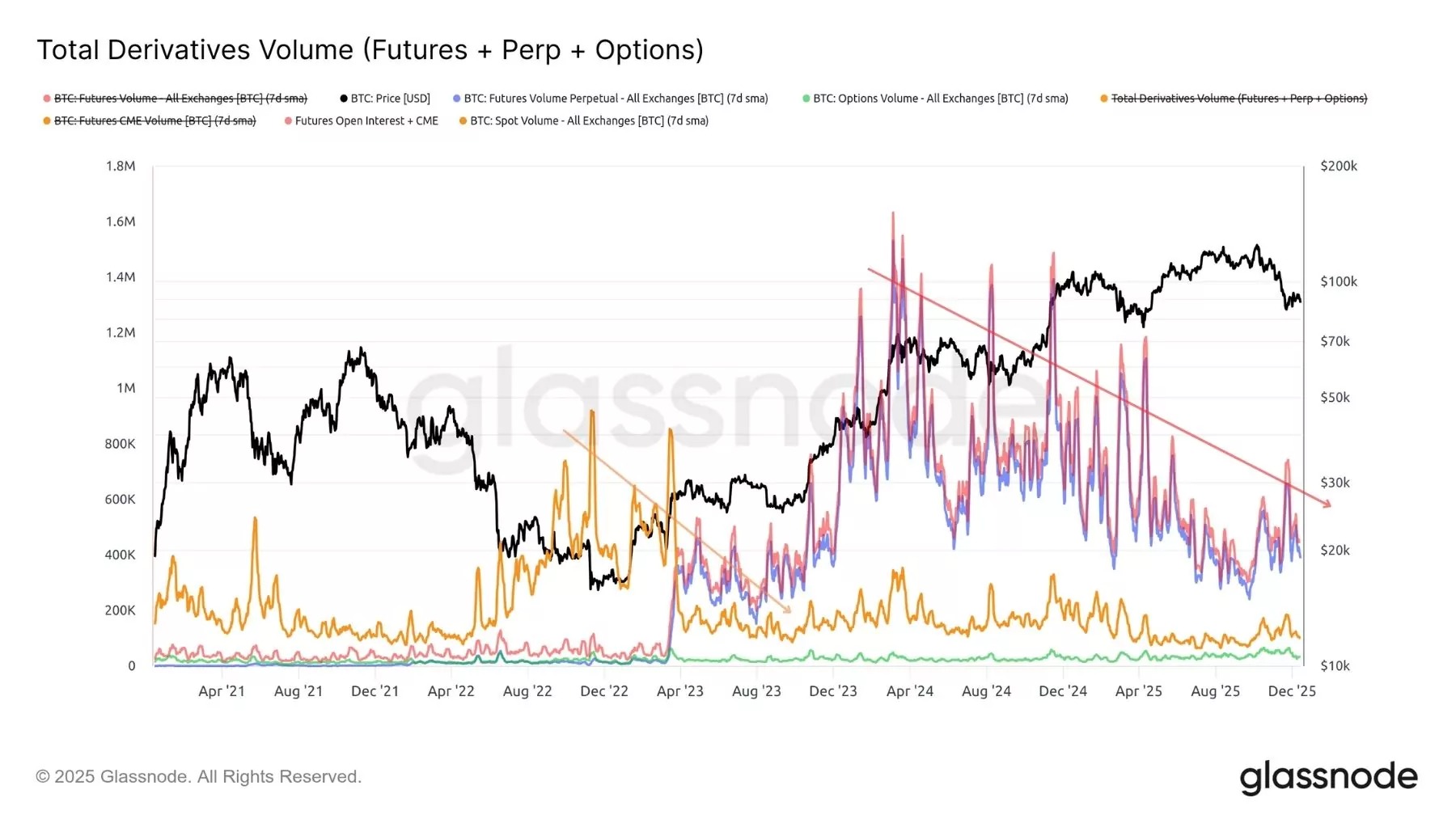
Figure 6: Derivatives contract volumes and spot exchange volumes
It is interesting to note that the rise of the derivatives markets became apparent as early as the beginning of 2023, when the total volume of derivatives contracts exceeded the total daily volume of spot exchanges by around 500,000 BTC per day.
Since then, the volumes traded on derivatives markets have dominated by a wide margin, creating a mass of “paper bitcoins” capable of influencing the spot price of BTC.
In the future, we will delve deeper into the analysis of signals provided by the derivatives markets, particularly in the options markets, which hold significant insights into the behavior of institutional capital.
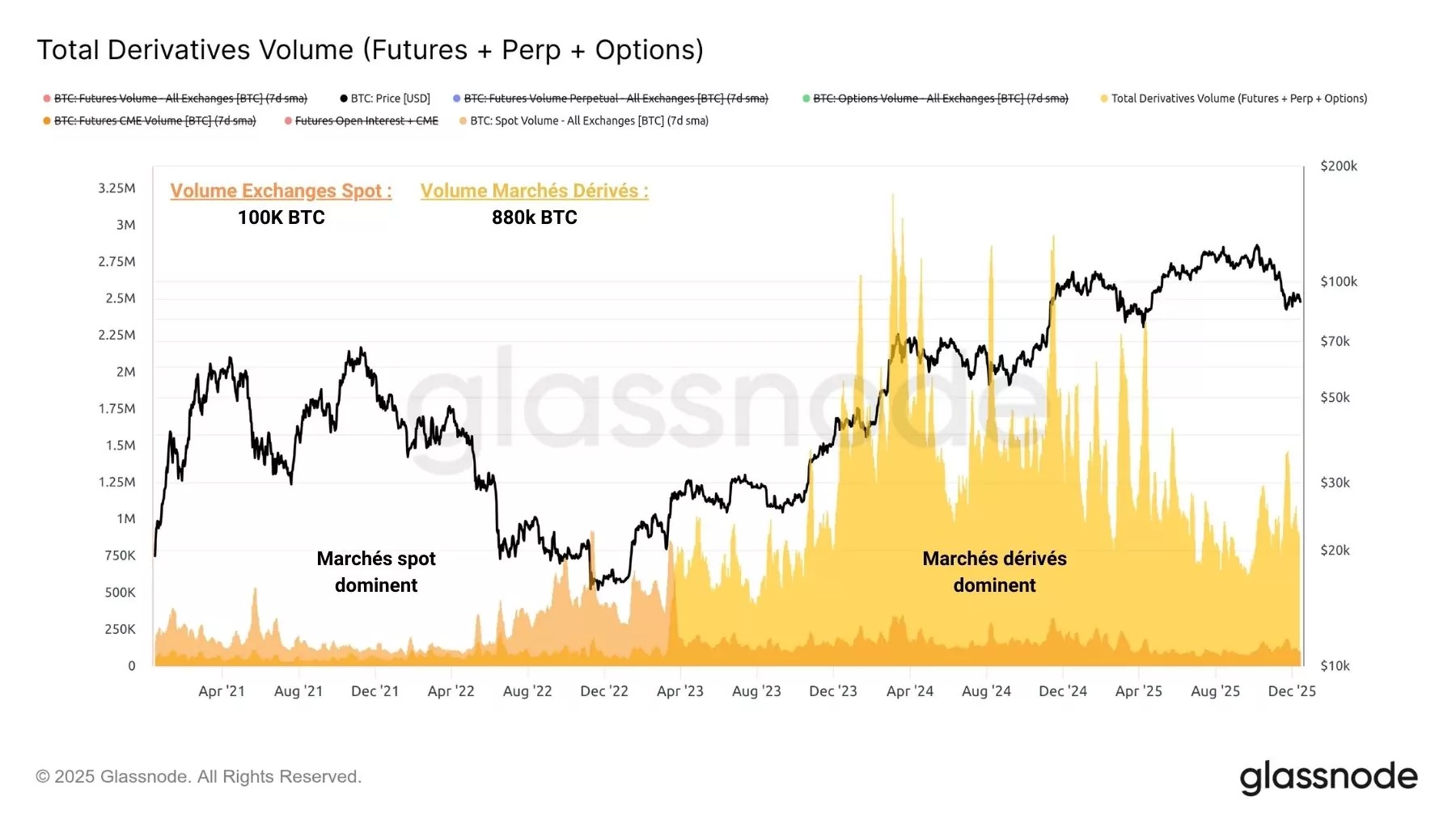
Figure 7: Total volume of derivative contracts and spot exchange volume
Summary of this on-chain analysis of Bitcoin (BTC)
In 2025, interest in options reached an unprecedented level, with a clear upward trend in open interest, contrasting with the declines in futures and perpetual open interest.
The amount of capital invested in options exceeds that of futures (including CME) for the first time since 2023, reaching nearly 650,000 BTC, signaling a clear preference among certain traders for this type of financial instrument.
Since options are known to be used in a wide range of risk management strategies by traditional financial institutions, this suggests that a new class of participants is entering the derivatives markets with strategies more sophisticated than simple positions in futures contracts.