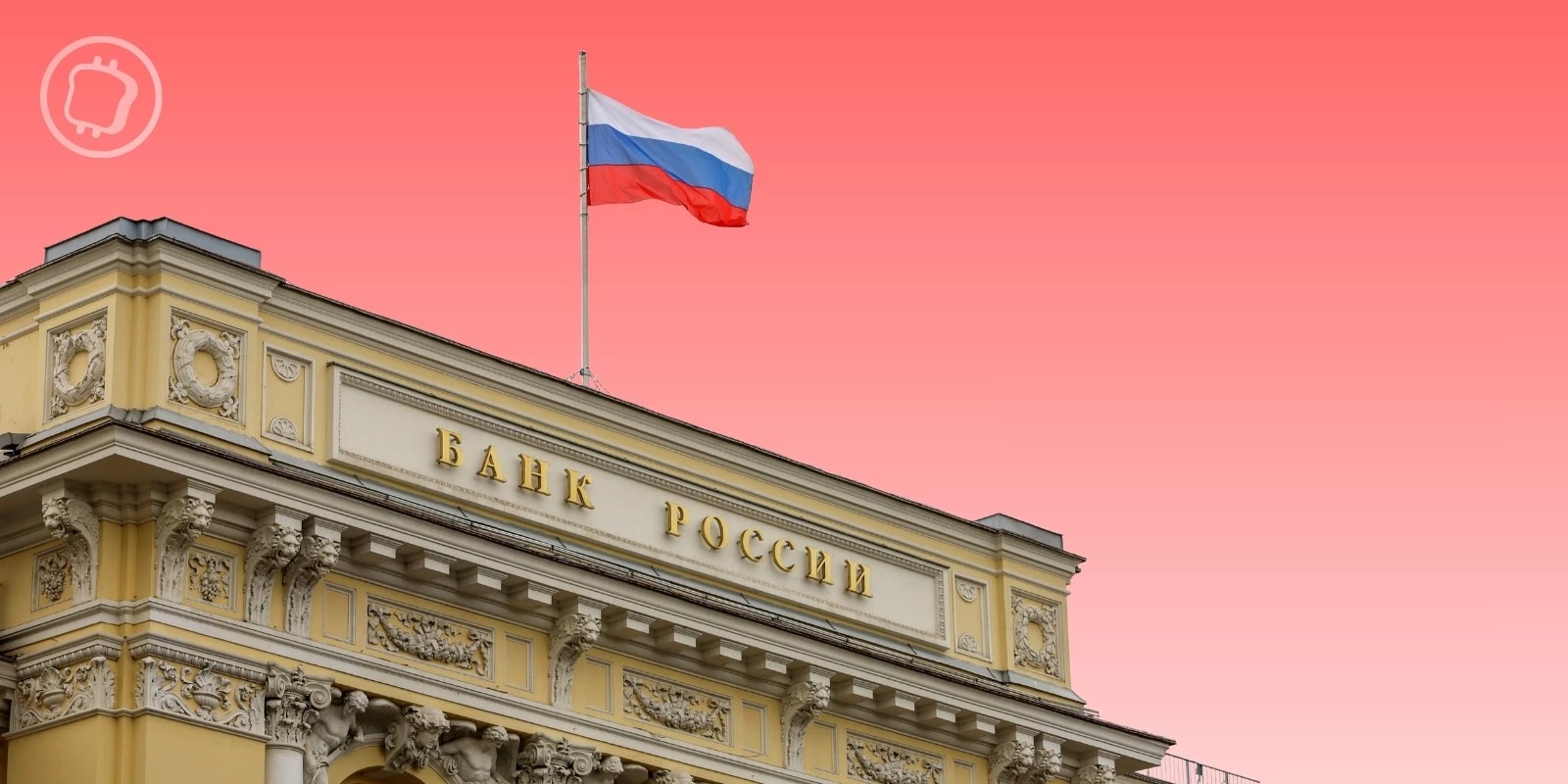
While Russia was recently considering the widespread legalization of cryptocurrency trading, it appears that its central bank intends to accompany this opening with increased oversight. On the agenda: new reporting requirements for banks regarding crypto transactions.
Legalize cryptocurrencies? Under certain strict conditions
It appears that the current implementation of regulations specific to the cryptocurrency market around the world is inevitably accompanied by a desire on the part of regulatory authorities to increase oversight of cryptocurrency holders.
This has long been a recognized reality within the European Union, particularly with the implementation—highly problematic from a security standpoint—of the DAC8 tax directive, which has been in effect since the beginning of the year. Even U.S. crypto players are feeling the heat, as initially favorable crypto legislation is proving far more problematic than anticipated.
Against this backdrop, Russia made a notable entrance late last year, following its decision to lift the national ban on cryptocurrencies. Indeed, there are reports of plans to legalize cryptocurrency trading across the board, though not without adding certain oversight measures.
These developments were reported by the Russian media outlet Bits.media, regarding a request issued by the Russian Central Bank that would require commercial banks to submit mandatory and detailed reports on all their clients’ transactions involving cryptocurrencies.
Increased oversight of cryptocurrencies and tokenized securities
In practical terms, this push to monitor crypto transactions is part of a broader initiative by the Russian central bank aimed at collecting from banks “a set of detailed information on nearly all international monetary transactions by Russians.”
According to available information, this includes, in particular, the nationality of the sender and recipient of the transfer (to determine whether they are Russian or not), the method used and the intermediary involved, as well as the fees charged by the bank.
The Central Bank of Russia will require specific reports to distinguish between transactions involving the purchase and sale of cryptocurrencies, as well as tokenized securities. These are digital financial assets involving the tokenization of real-world assets: securities, precious metals, and others.
Bits.media
This monitoring of crypto transfers is clearly part of the Russian Central Bank’s effort to review its procedures in order to account for—and assess the significance of—these economic innovations in the national balance of payments.
Banks themselves will also have to comply with these new rules, notably by providing all information regarding their investments in crypto-assets and loans granted to crypto companies.