
Bitcoin’s price is under geopolitical pressure at the start of this week, but on the
Are investors selling into the rally? – On-chain analysis of BTC with Prof. Chaîne
As BTC attempts to establish a new bullish push, short-term momentum remains constructive but fragile. The zone between $101,000 and $120,000 concentrates significant supply that could slow the price’s ascent.
Attempt at a Bullish Recovery
As the BTC price actively attempts to break through the $95,000 resistance level, it appears to be encountering some difficulties. Indeed, several rejections are slowing its price rise, although the overall trend remains bullish in the short term.
At the same time, notable selling activity is emerging, suggesting that some investors are choosing to exit the market without waiting any longer.
Will this selling pressure be enough to hinder BTC’s recovery?
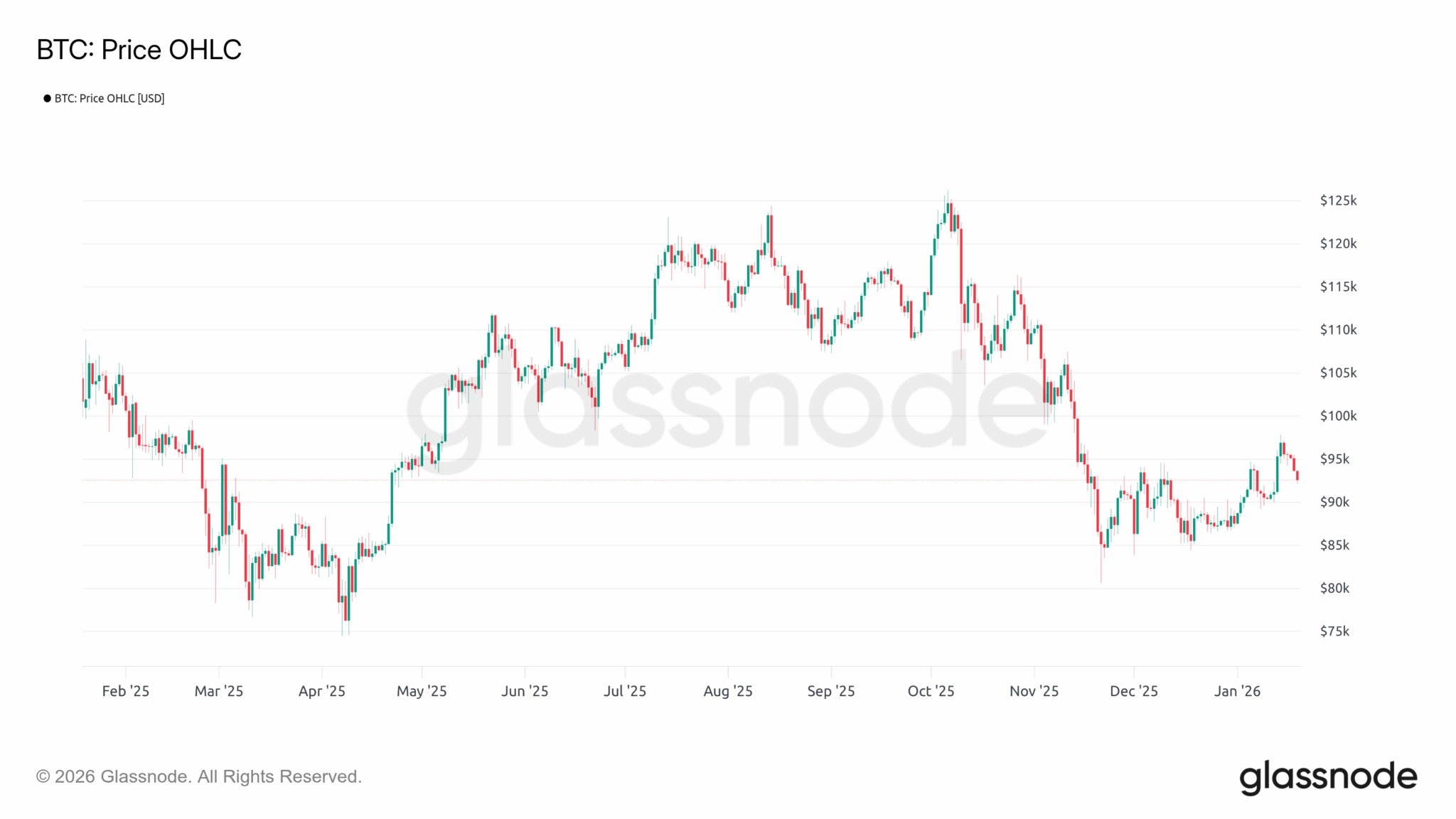
Figure 1: Daily BTC Price
Price Targets
For the first time in the 2023–2025 bull cycle, the BTC price is trading below two key price levels:
- the “Fair Price,” which reflects the average purchase price of non-dormant BTC;
- the short-term average purchase price, corresponding to the average cost of recently accumulated BTC.
By falling below these thresholds in November 2025, BTC entered bear market territory, before consolidating above $80,000.
The current challenge is to determine whether the market will manage to break above these two levels to re-establish a healthy uptrend, or whether they will act as resistance levels capable of blocking BTC’s recovery.
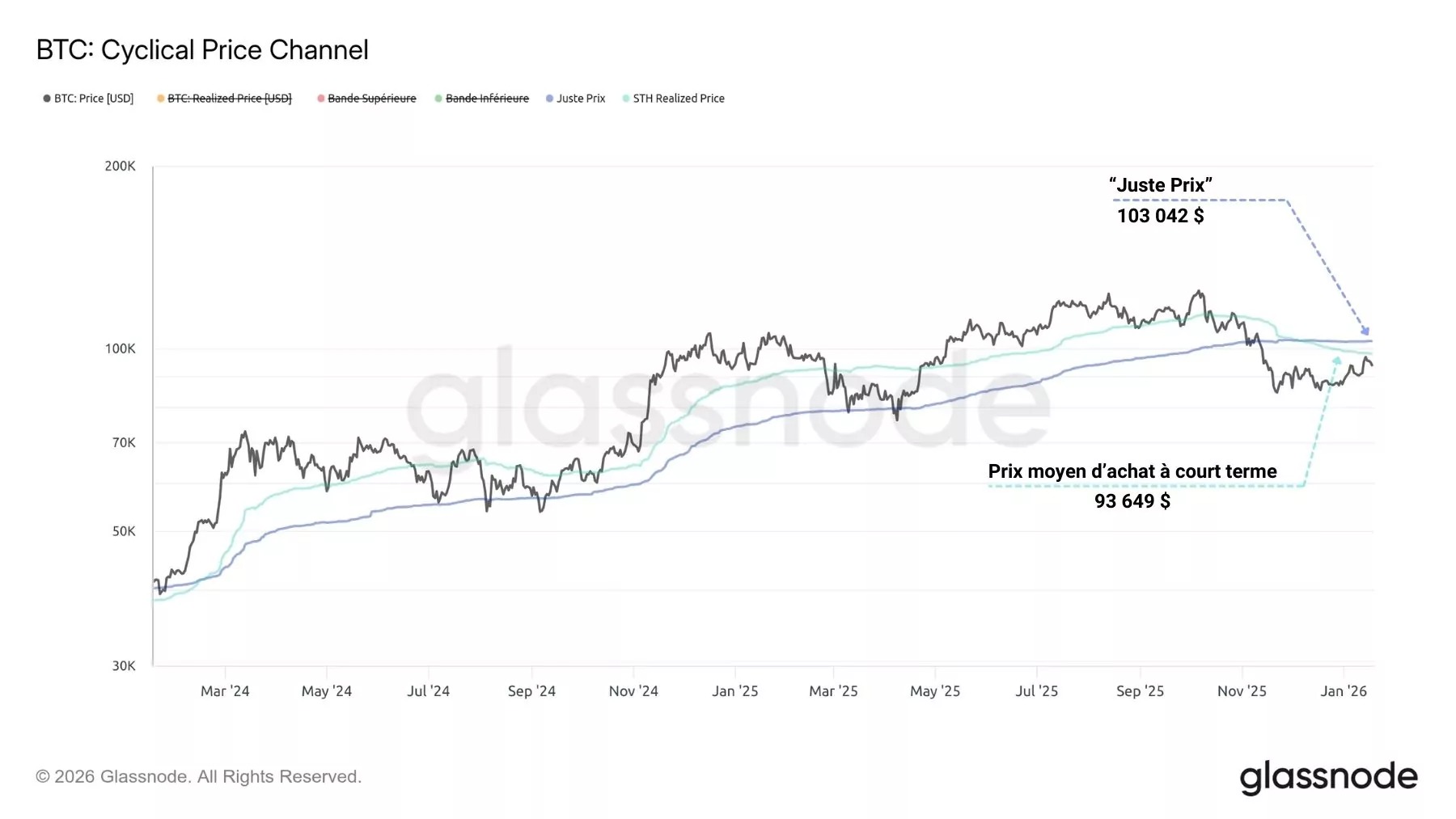
Figure 2: Fair Price and Short-Term Average Purchase Price
Thanks to the URPD, which tracks all BTC purchase prices during their most recent price movement, it is possible to map out a precise topography of the circulating supply.
This metric highlights areas where large amounts of BTC have been accumulated or distributed.
Currently, two major accumulation clusters can be identified:
- between $82,000 and $99,000, corresponding to the lower accumulation zone, formed after the April–May 2025 correction;
- between $101,000 and $120,000, corresponding to the high accumulation zone, formed at the end of 2025, trapping late entrants in a state of unrealized losses and prompting them to take losses.
It should be noted that the short-term average purchase price and the “Fair Price” lie precisely at the boundary between these two supply blocks.
The BTC price will need to break through these levels and re-enter the cluster between $101,000 and $120,000 in order to maintain bullish momentum in the coming weeks.
However, it is highly likely that BTC’s ascent through this accumulation cluster will take time, as this zone represents a potential supply zone where some investors will seek to offload their holdings, anticipating a dead cat bounce scenario.
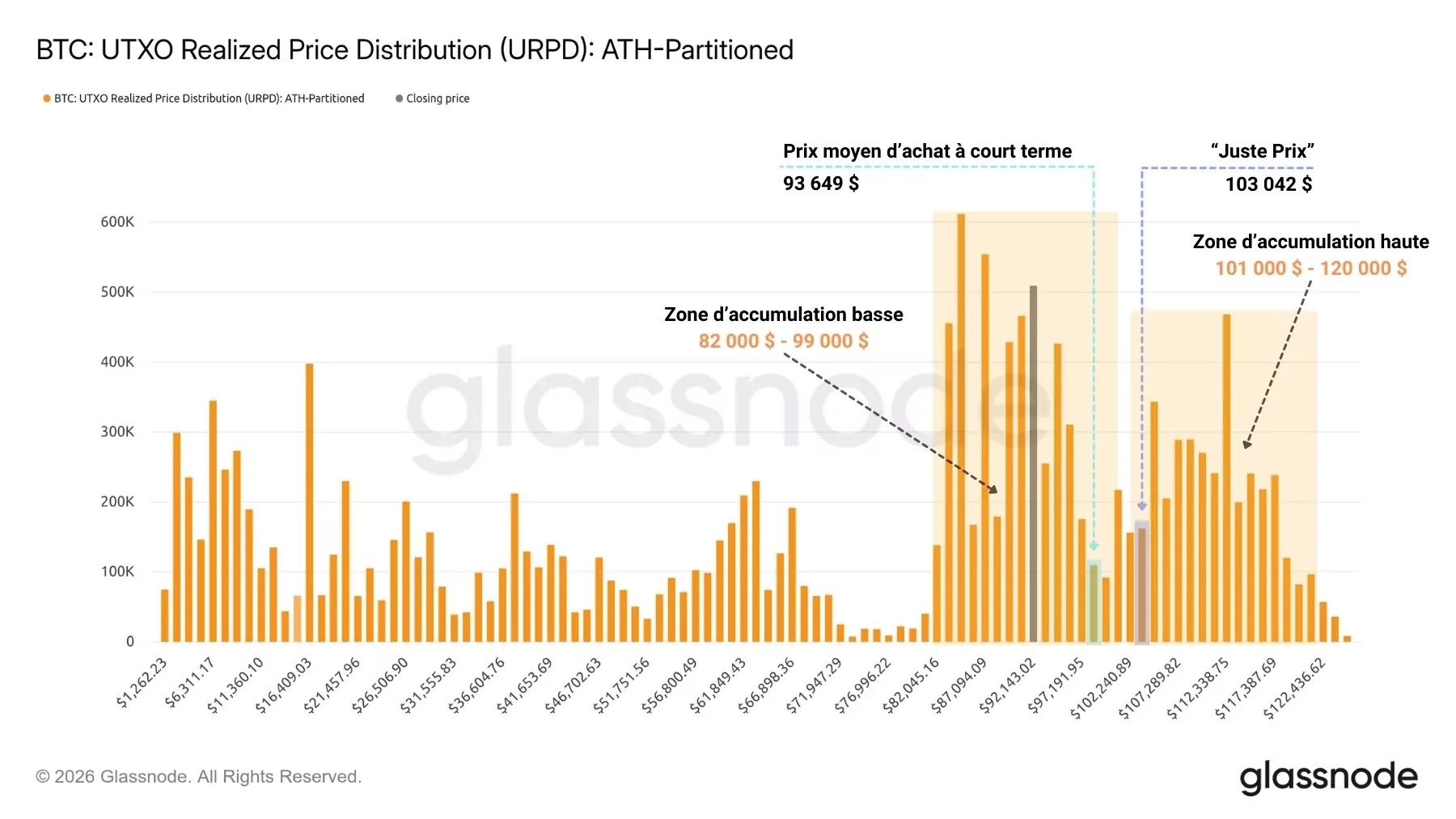
Figure 3: BTC Realized Price Distribution
Selling Behavior
It is essential to note that these potential selling behaviors have already been evident since BTC began attempting to break above $95,000, indicating that some investors are currently liquidating their positions.
Indeed, the STH-SOPR, an indicator of the profitability of short-term investors’ spending, has recorded two new profit-taking peaks, coinciding with the two attempts at a bullish rally by BTC observed during the month of January.
While the return of this indicator above 1 is a very positive signal regarding the psychological and financial conditions of short-term investors, it also indicates that each recent rally has been exploited to secure quick profits.
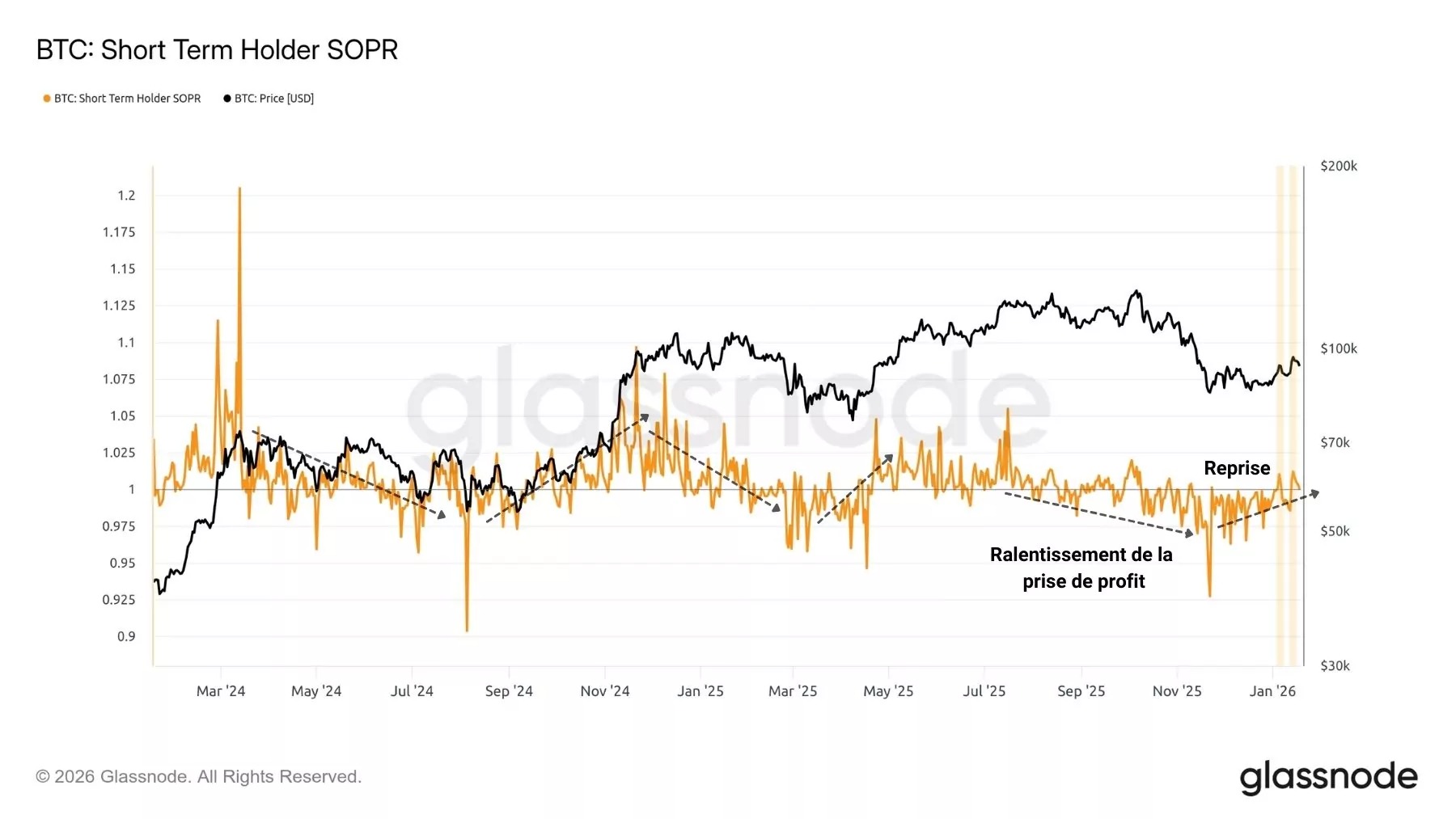
Figure 4: Short-term investor SOPR
A similar observation can be made regarding long-term investors, whose return on investment also saw a further increase in January.
Here again, profit-taking behavior appears to align with the two recent upward surges in BTC.
This means that long-term investors have also taken advantage of the current momentum to lighten their positions, a signal that does not reflect optimal confidence.
A real battle thus seems to be brewing in the order books, pitting buying pressure against profit-taking, to determine the direction of the short-term trend.
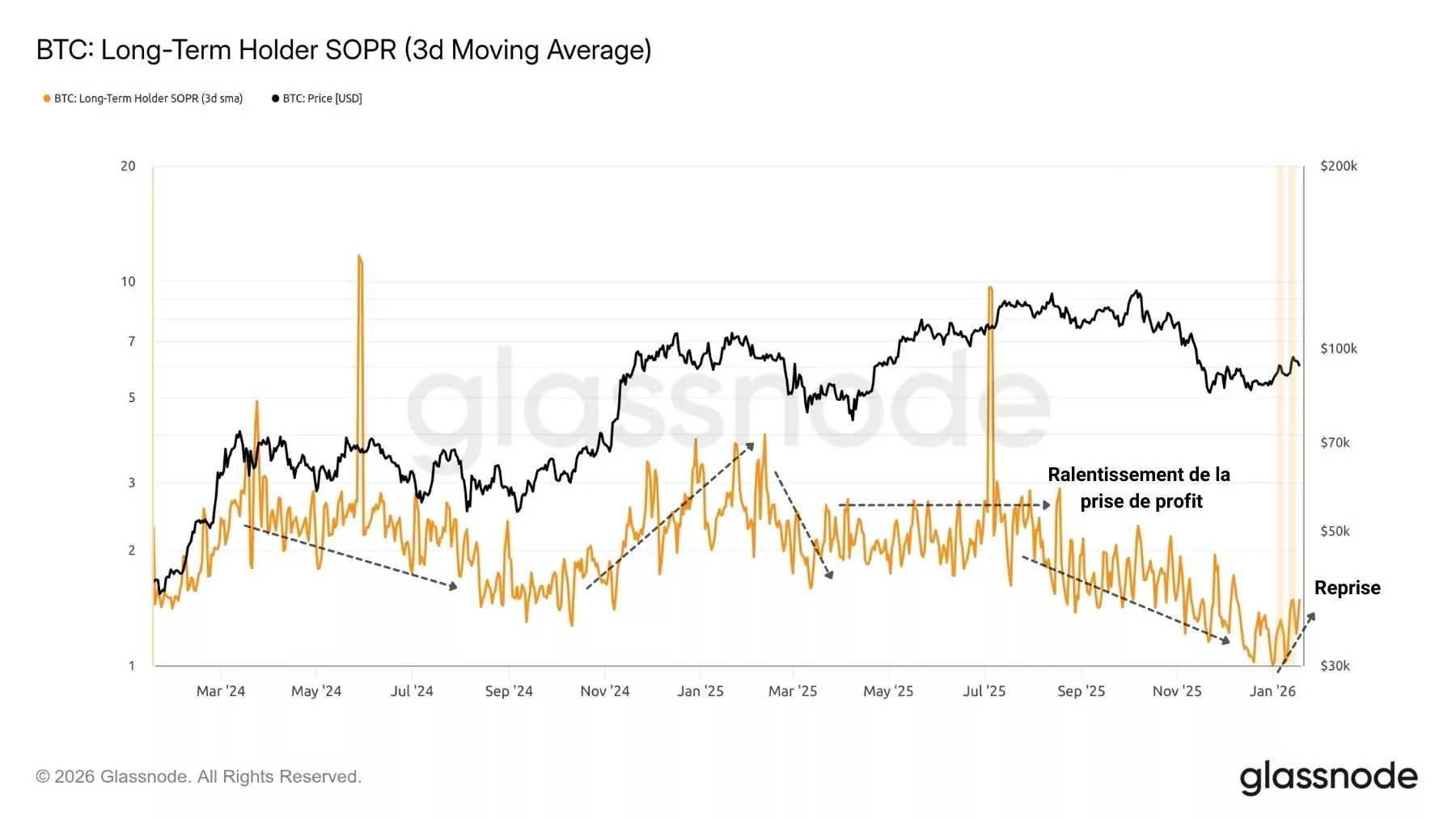
Figure 5: SOPR Ratio for Long-Term Investors
To illustrate this point, the on-chain model presented below aggregates various data points related to investor profitability and spending behavior to identify periods when selling pressure intensifies (shown in red).
Two distinct signals of significant selling pressure can be clearly observed: when BTC hit a resistance level around $95,000, and then during its attempt to break through it.
This data confirms that substantial selling volumes were recorded at these levels, contributing to a slowdown in the local trend and a price correction.
Such behavior has been observed numerous times in the past and frequently precedes consolidation phases, or even deeper corrections.
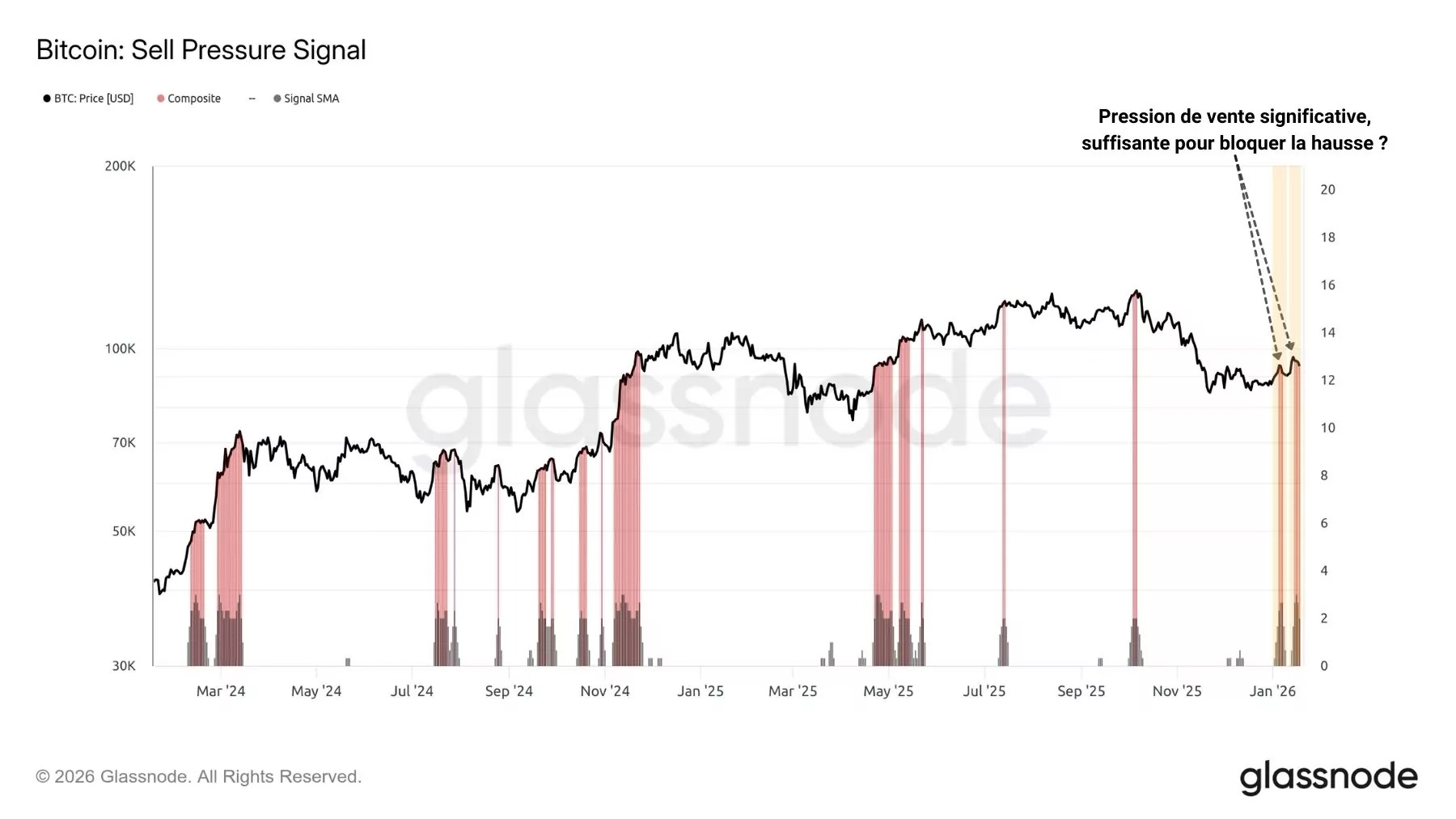
Figure 6: Selling Pressure Detection Model
Finally, let’s mention the recent liquidations of long positions in the derivatives markets, which also contributed to the BTC correction observed in recent hours.
With significant long liquidity having accumulated below the price since mid-January, it generated an excess of speculative risk that the uptrend could have easily done without.
The market currently appears to be seeking out this liquidity around the $90,000 level, below which lies a significant pool of liquidity that it would be preferable to avoid revisiting in order to preserve a viable bullish momentum.
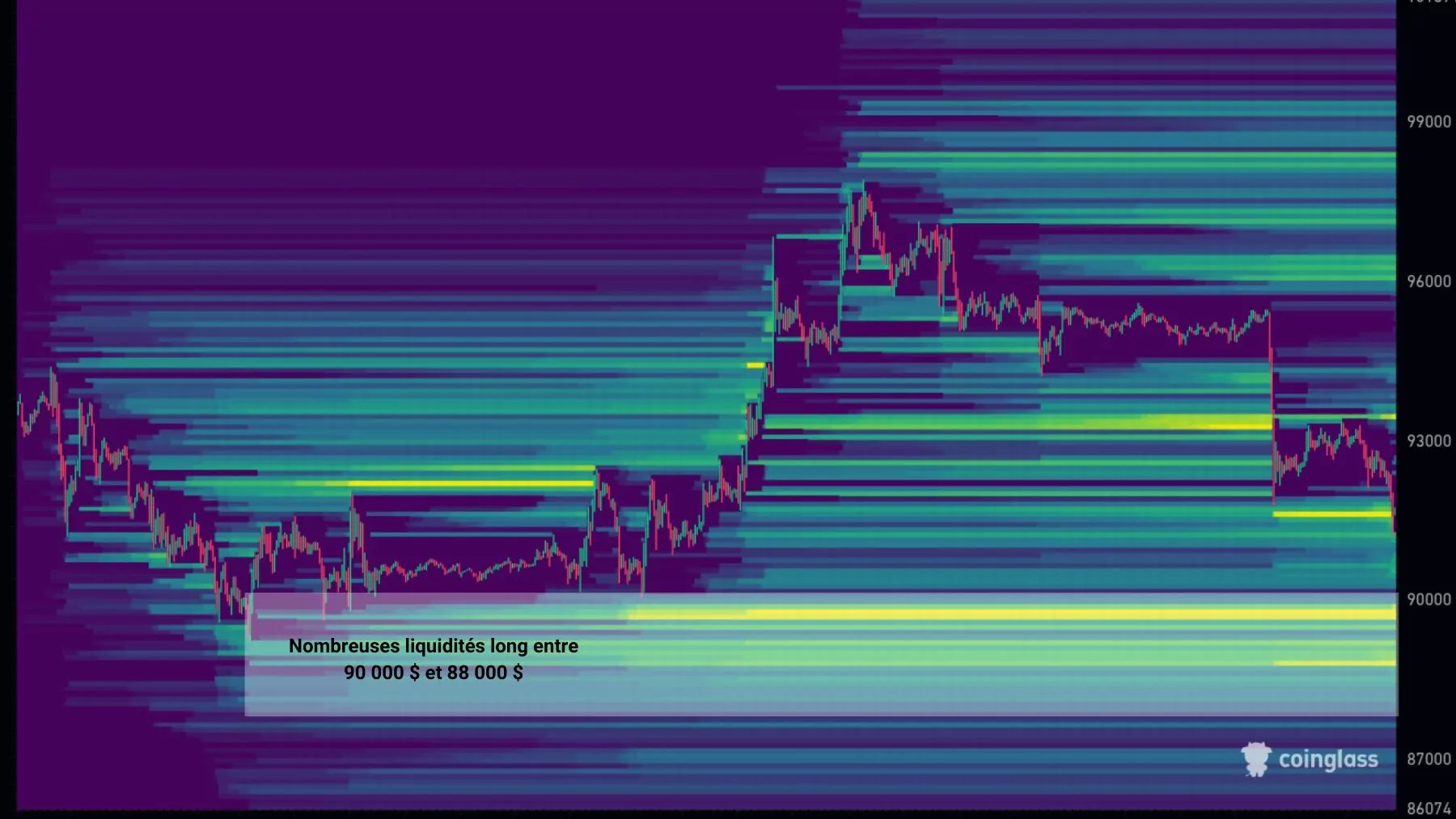
Figure 7: Liquidation thresholds on BTC futures markets
Summary of this on-chain analysis of Bitcoin (BTC)
As BTC attempts to break through the key $95,000 resistance level, short-term momentum remains positive but fragile.
While the on-chain structure suggests potential for a recovery, the data shows that every bullish attempt is accompanied by significant profit-taking, among both short-term investors and long-term holders.
The zone between $101,000 and $120,000 now constitutes a major hurdle, concentrating a significant supply that could slow the price’s ascent.
In the short term, the balance between buying pressure and selling behavior will be decisive: either the market manages to absorb this supply and reignite sustainable bullish momentum, or a consolidation phase—or even a deeper correction—could take hold.
Bitcoin Drop and Liquidations – Only Gold Holds Steady Amid Prospects of a New Trade War
Donald Trump hasn’t said his last word on Greenland, and he’s making that clear by threatening Europe with a new trade war.
Result: The week begins with a drop in Bitcoin accompanied by $875 million in liquidations on the cryptocurrency market, while gold hits a new high.
Cryptocurrencies: $875 million in liquidations over the last 24 hours
The start of the week appears to be turbulent in the cryptocurrency market, following Donald Trump’s announcement over the weekend of a policy to forcibly acquire Greenland, using 10% tariffs imposed on eight European countries—including France—which could rise to 25% in June if he does not get his way.
As a result, Bitcoin plunged by more than 3% to settle below $93,000, while the top 10 cryptocurrencies saw declines of around 6% for Ripple’s XRP and more than 8% for Dogecoin (DOGE). Ethereum is holding up relatively well, with a 4.6% drop that keeps it above $3,000.
At the same time, liquidations have been piling up over the past 24 hours, reaching a total of nearly $875 million, according to data from the Coinglass website, of which more than $787 million involves long positions and $234 million for BTC alone ($155 million for Ethereum and $61 million for Solana’s SOL).
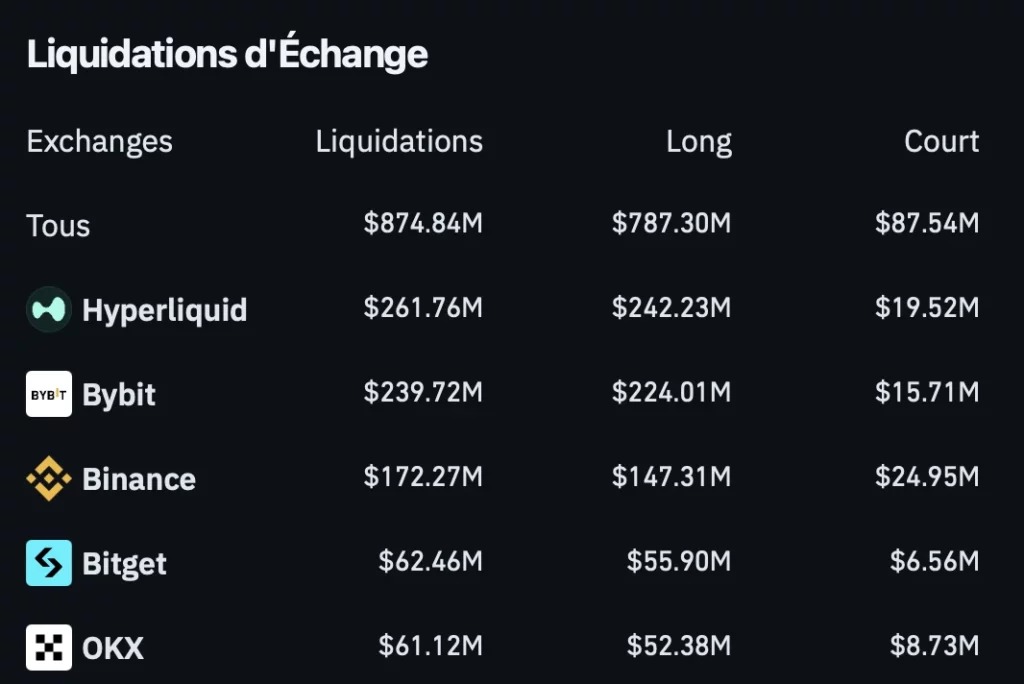
The crypto market has recorded $875 million in liquidations over the past 24 hours
In fact, these significant liquidations involve 249,087 traders, with a single BTC-USDT position alone holding a record $25.8 million on the Hyperliquid platform, which also tops the crypto exchange rankings with a total of $261.76 million liquidated during this period.
Gold hits a new all-time high
Proponents of the theory that Bitcoin is digital gold will likely be disappointed once again, especially considering that Cryptoquant analysts view its fragile rebound since the start of the year as a temporary movement rather than part of a genuine, sustainable recovery, as “demand remains too weak” in the BTC market.
Meanwhile, gold (XAU) has once again hit an all-time high, now standing at $4,690 as the week begins. This reinforces its status as a global store of value amid persistent geopolitical and macroeconomic uncertainties, while silver has just made a notable entry into second place among the world’s most valuable assets.
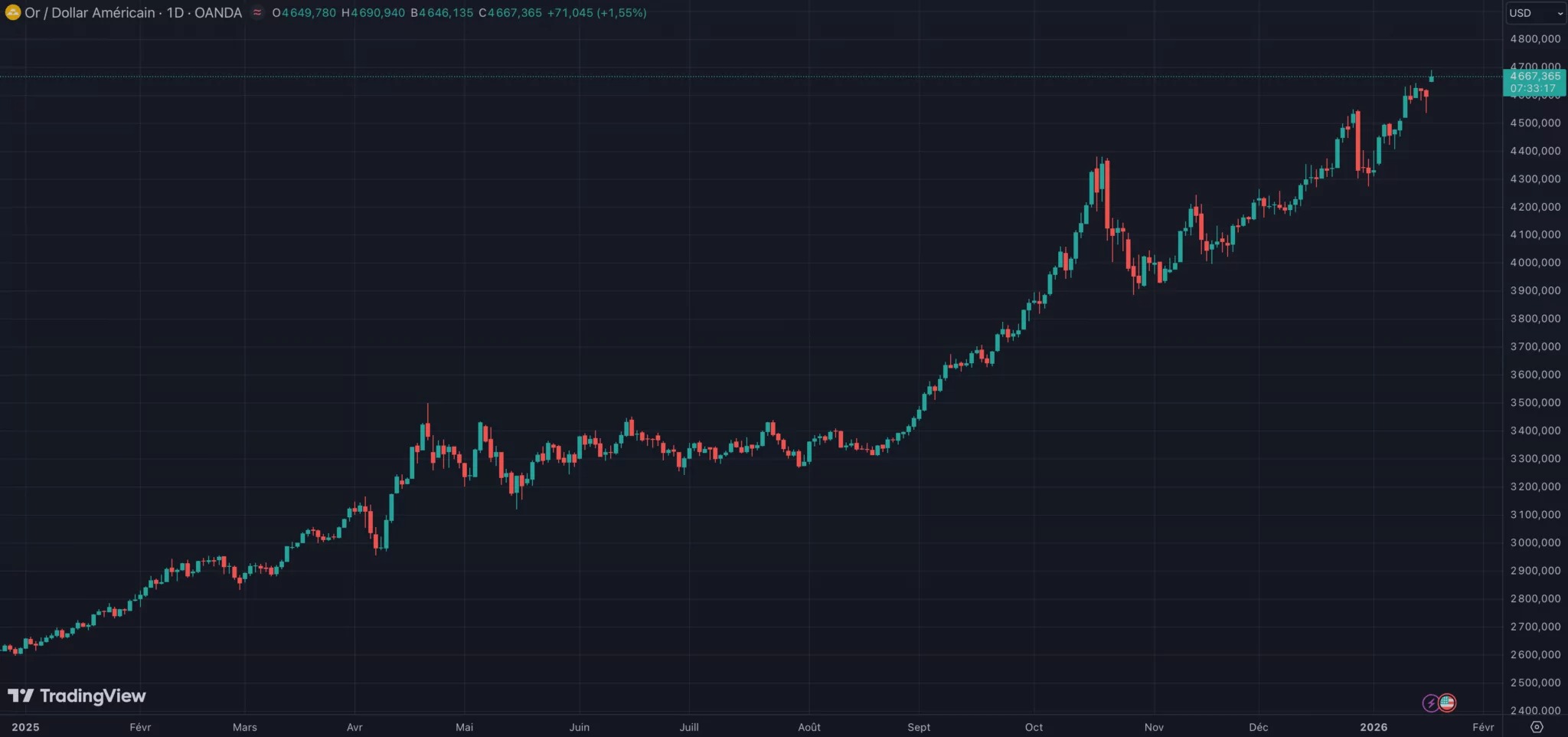
Gold price hits a new all-time high
Noteworthy fact: with this latest blow to global markets, President Donald Trump has caused Bitcoin to drop by a total of 15% since his inauguration, which took place almost exactly one year ago (January 20, 2025). At the same time, the price of gold has skyrocketed by over 70% while setting record after record.
Can we really hope for an imminent return of BTC to this bull run?
From a technical perspective, the annual recovery phase remains intact as long as the $90,000 support level holds. Check out Vincent Ganne’s analysis.
Bitcoin Under Geopolitical Pressure
The Bitcoin price has been struggling to recover since the start of the year, with a rally that peaked at $98,000 before a pullback set in due to ongoing massive geopolitical tensions. Despite this, BTC has been in a bullish recovery since late November, but this recovery is slow, choppy, and underperforming compared to the behavior of gold and silver in the precious metals market.
In terms of timing, this first quarter of 2026 is very similar to the “dead cat bounce” seen during the bear market of the previous cycle in 2022. If this comparison holds up, then it is likely that BTC’s recovery is not yet over. For this to happen, it is imperative to hold the $90,000 support level.
This week, starting Monday, January 19, is packed with fundamental events; BTC should make its technical decision soon. (Geopolitical developments around Greenland, the World Economic Forum in Davos where Trump is scheduled to speak, U.S. PCE inflation, and the Clarity Act).
Here are my technical observations supporting the view of further recovery by the end of February, provided the $90,000 support level holds:
- If the dead cat bounce (or bear market rally) pattern from the previous cyclical bear market repeats itself, then Bitcoin should be able to reach its 200-day moving average in February (i.e., $105,000);
- Global liquidity, as a “leading indicator,” remains on a favorable trajectory through March;
- The momentum (annual rate of change) of this global liquidity has just hit a new high; this has consistently been a forward-looking bullish factor for BTC since the low at the end of 2022.
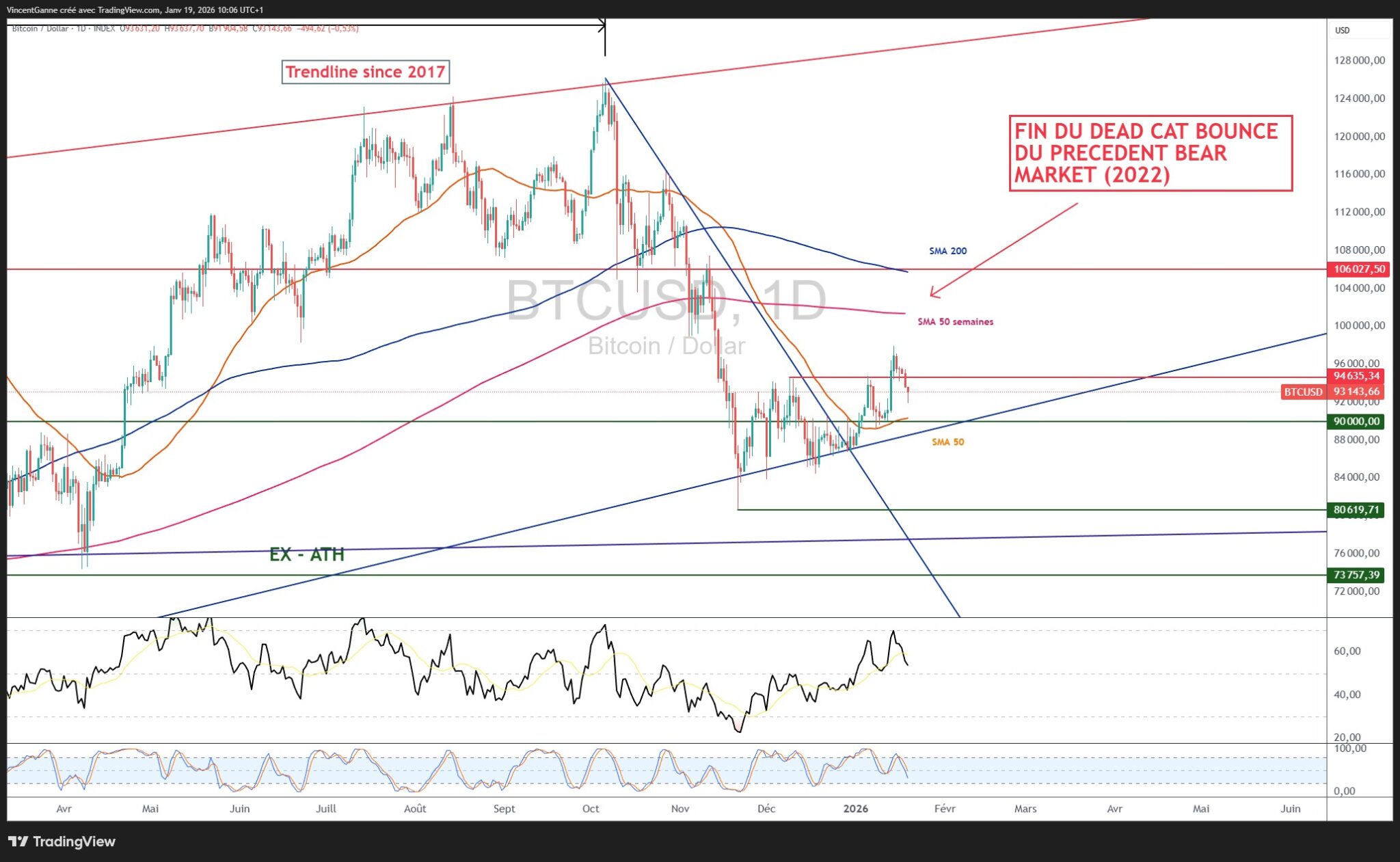
A “bear market rally” that is not yet over
From a strictly technical perspective, the current market structure remains consistent with a continuation of the recovery trend, despite high volatility. Bitcoin is trading within a short- to medium-term upward channel, with a series of higher lows and higher highs since mid-December. As long as the $90,000 support level holds (the 50-day moving average), BTC retains a good chance of continuing its winter rally.
Historically, during dead cat bounce phases, the market has often attempted a return to the 200-day moving average before deciding either on a sustained bullish recovery or a failure followed by a new corrective phase to conclude the cyclical bear market.
Furthermore, the correlation with global liquidity remains a key macroeconomic indicator. The historical time lag observed between the troughs in global money supply growth and Bitcoin’s lows suggests that the crypto market could still benefit from tailwinds in the coming weeks. As long as this liquidity continues to grow and the major support level of $90,000 holds, the scenario of a continued dead cat bounce toward the $100,000–$105,000 range remains plausible through the end of February.
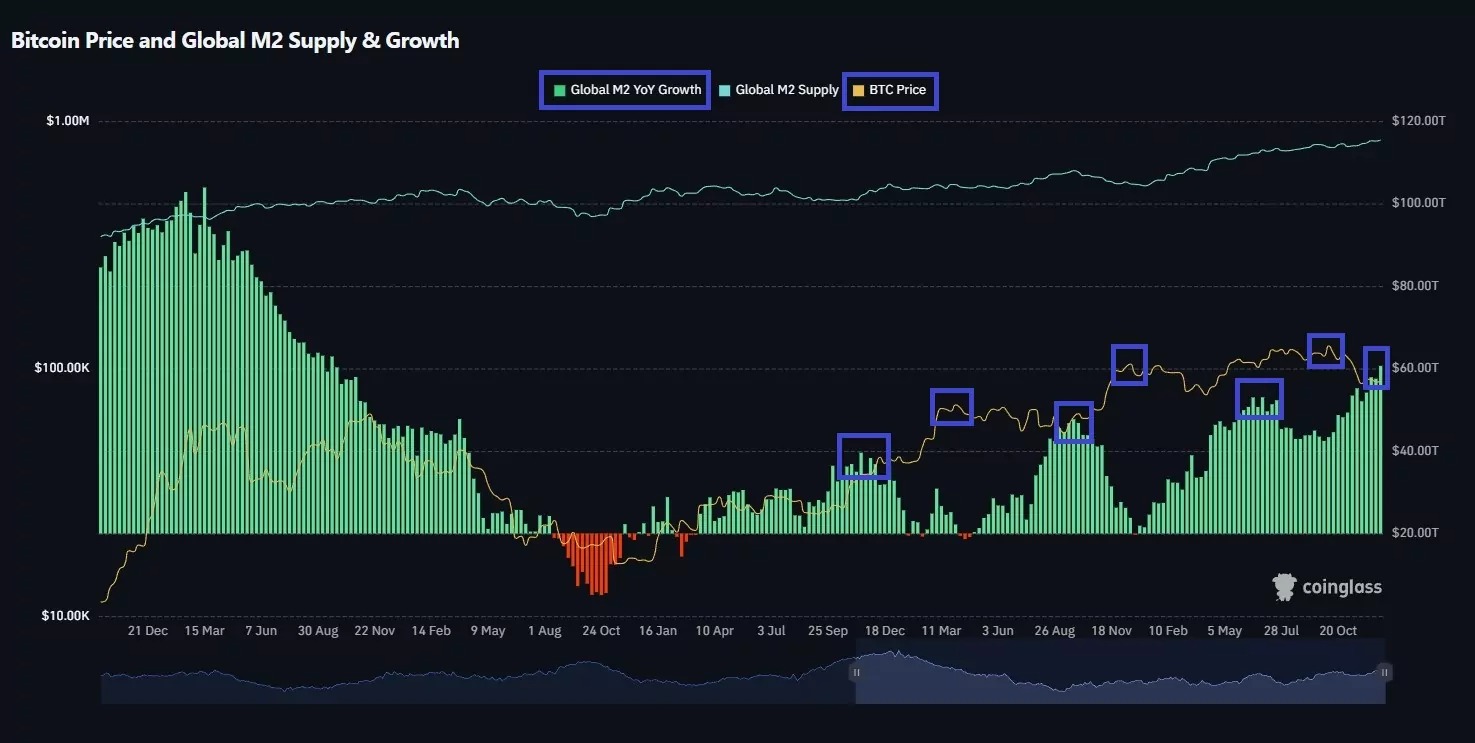
In summary, the environment remains fragile but constructive from a technical perspective, and the market still appears to be in an unfinished technical recovery phase rather than an immediate bearish reversal.