As Iran sinks into a major political and social crisis, the promise of an uncensorable Bitcoin is brutally colliding with reality on the ground. The regime’s orchestrated internet shutdown has paralyzed cryptocurrencies, leaving users helpless in the face of daily emergencies and calling into question Bitcoin’s effectiveness in conflict zones.
Bitcoin is useless in the face of repression by the mullahs’ regime in Iran
The situation in Iran has deteriorated considerably in recent weeks, marked by a violent response from the regime to the numerous protests that have affected more than 100 cities. To stifle the protests, the authorities are resorting to a formidable weapon: cutting off the internet.
This digital “kill switch” strategy has direct consequences on the Bitcoin-based parallel economy that was beginning to take root there, as well as on trading volume on exchange platforms.
🇮🇷 To learn more about The rise of Bitcoin in Iran: a response to inflation and repression
Without access to the web, the Bitcoin network remains technically functional thanks to the distribution of its nodes around the world, but its accessibility for the end user becomes complex, if not impossible.
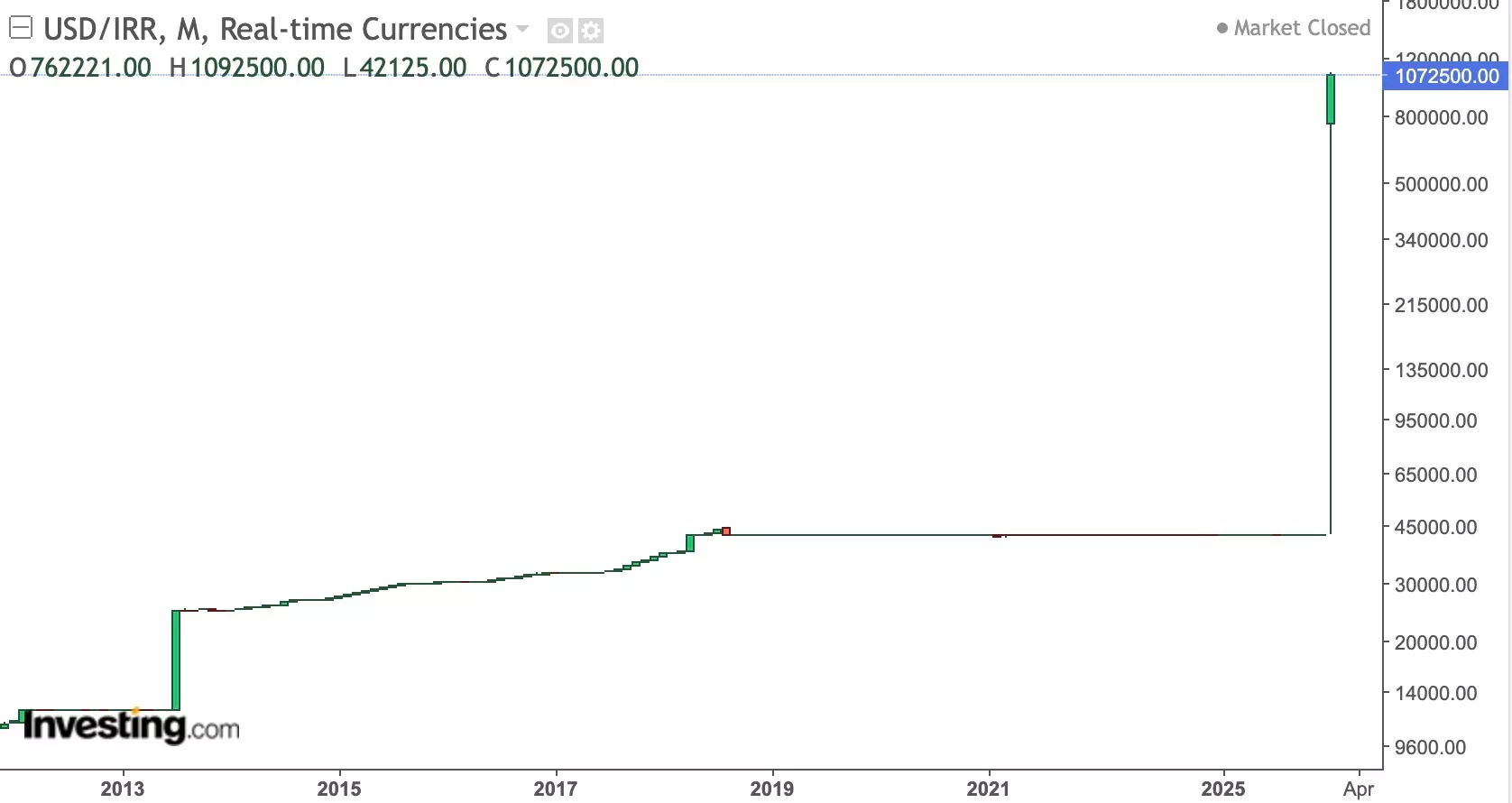
As a result, digital asset holders are left with wealth they cannot use or exchange for basic necessities, while the local currency, the rial, has lost almost all its value, falling from 40,000 rials per dollar to 105 million in just two weeks.
An anonymous source on the ground, whose testimony reached us thanks to access to the Starlink satellite network, describes this impasse:
“Right now, our biggest problem is that we can’t easily exchange our Bitcoins for cash because the internet is down and the market lacks liquidity. But I’m going to find a solution. Supermarkets are still open, although some shelves are empty and remain unstocked. We are having trouble finding products such as cooking oil, for example.”
This inability to sell their BTC puts users in a vulnerable position, preventing them from meeting their immediate basic needs.
One could imagine a merchant accepting Bitcoin payments via personal access to Starlink, but beyond the limited accessibility of this solution, there is now growing uncertainty about the sustainable return of the internet in Iran, discouraging its adoption.
Does the example of Iran put an end to the Bitcoin narrative once and for all?
Recent events in Iran perfectly illustrate the current limitations of adopting Bitcoin as a shield against state coercion.
As long as the internet remains centralized and therefore controllable by governments, freedom of expression and transactional freedom will remain conditional. And this does not only concern Bitcoin: the entire financial system is impacted, including fiat currency payments by credit card, as well as access to cash, since ATMs also depend on an Internet connection.
However, while Bitcoin may temporarily fail in its function as a means of everyday exchange, it retains its fundamental property of resistance to seizure. Unlike bank accounts frozen by the regime, funds secured by private keys remain out of reach of the authorities. For many, adopting Bitcoin remains the only way to wrest monetary power from the hands of the state. It is insurance against currency depreciation chosen by central banks and protection against targeted financial censorship.
Holding Bitcoin does not allow you to buy bread during a power or network outage, but it is above all a means of limiting the power of a state to manipulate currency and finance freedom-destroying policies that justify cutting off the Internet, a battle to be fought upstream, before censorship is in place.