
Just a few months after their spectacular growth, Bitcoin company treasuries are already showing signs of slowing down. This situation has caused the market capitalization of 25% of them to fall below the value of their BTC holdings.
Bitcoin treasuries: purchases fall to their lowest level since May
Faced with record returns during a bull market, the Bitcoin treasury model implemented by Strategy has inspired many since the end of last year. However, Michael Saylor’s appetite for BTC does not always adhere to the principles it sets out.
This situation has accelerated significantly in the United States following the election of Donald Trump, with his strong pro-crypto policy. However, a few months later, headwinds are disrupting their development, following the non-selection of Strategy’s MSTR stock by the S&P 500 and the Nasdaq’s desire for greater control over them.
Faced with this complicated context, analysts are observing a notable slowdown in BTC purchases, which had previously been very strong in this area. And for good reason: according to Vetle Lunde of K33 Research, 25% of Bitcoin treasuries currently have a capitalization lower than their Bitcoin holdings.
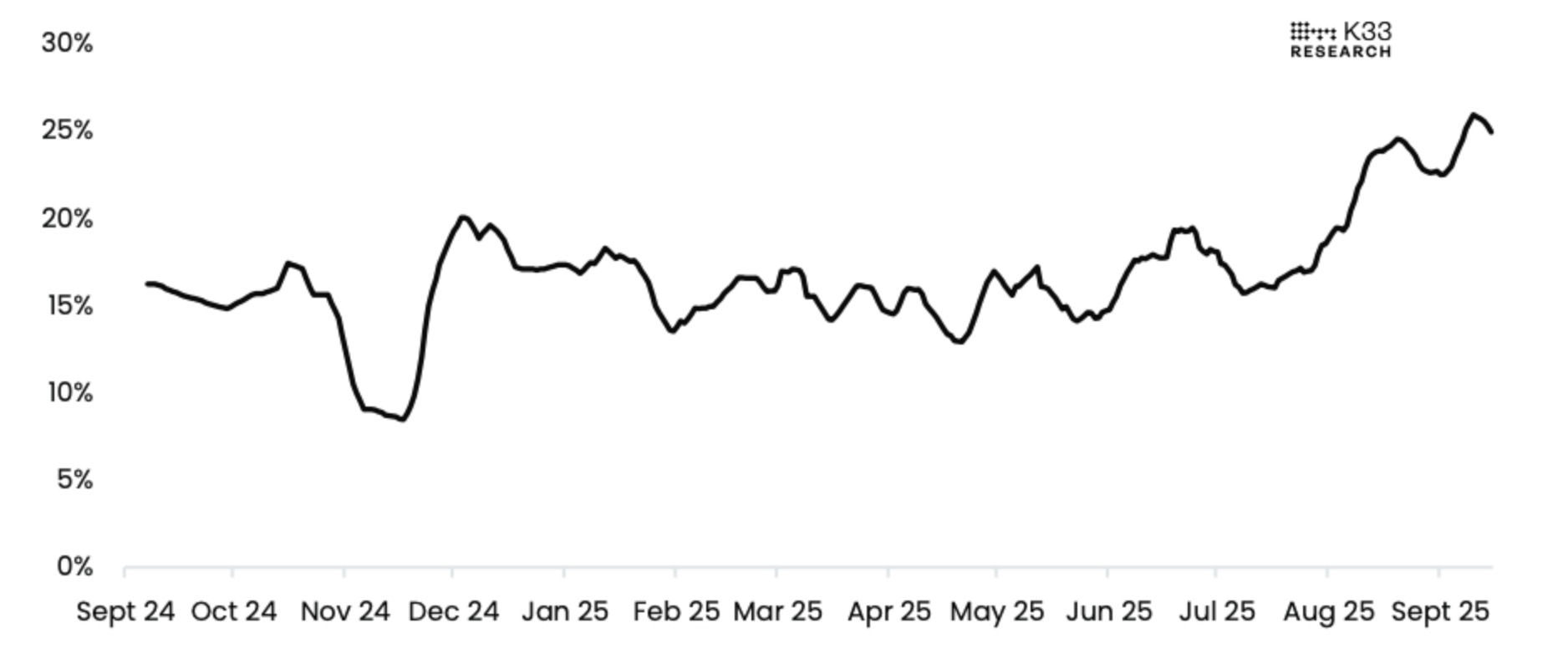
Why is this a problem? Quite simply because the net asset value (NAV) of these companies is currently below the critical threshold of 1. This means that they can no longer issue new shares to support their BTC purchases without risking immediate dilution.
When companies trade below net asset value, issuing shares becomes dilutive because it gives up more ownership (via undervalued shares) than the value it receives in return (BTC).
Vetle Lunde
Good news for the BTC market?
Currently, the average mNAV—the ratio between market capitalization and the amount of BTC held—of Bitcoin treasuries is around 2.8, compared to 3.8 last April. This situation is mainly causing difficulties for smaller companies, although flagship projects such as Twenty One Capital (backed by Tether), Semler Scientific, and The Smarter Web Company are performing below 1. The most extreme example in this area is the NAKA stock associated with the merger between KindlyMD and Nakamoto Holdings. It has fallen by more than 90% since its peak in May, with mNAV falling from 75 to just 0.7 over the same period.
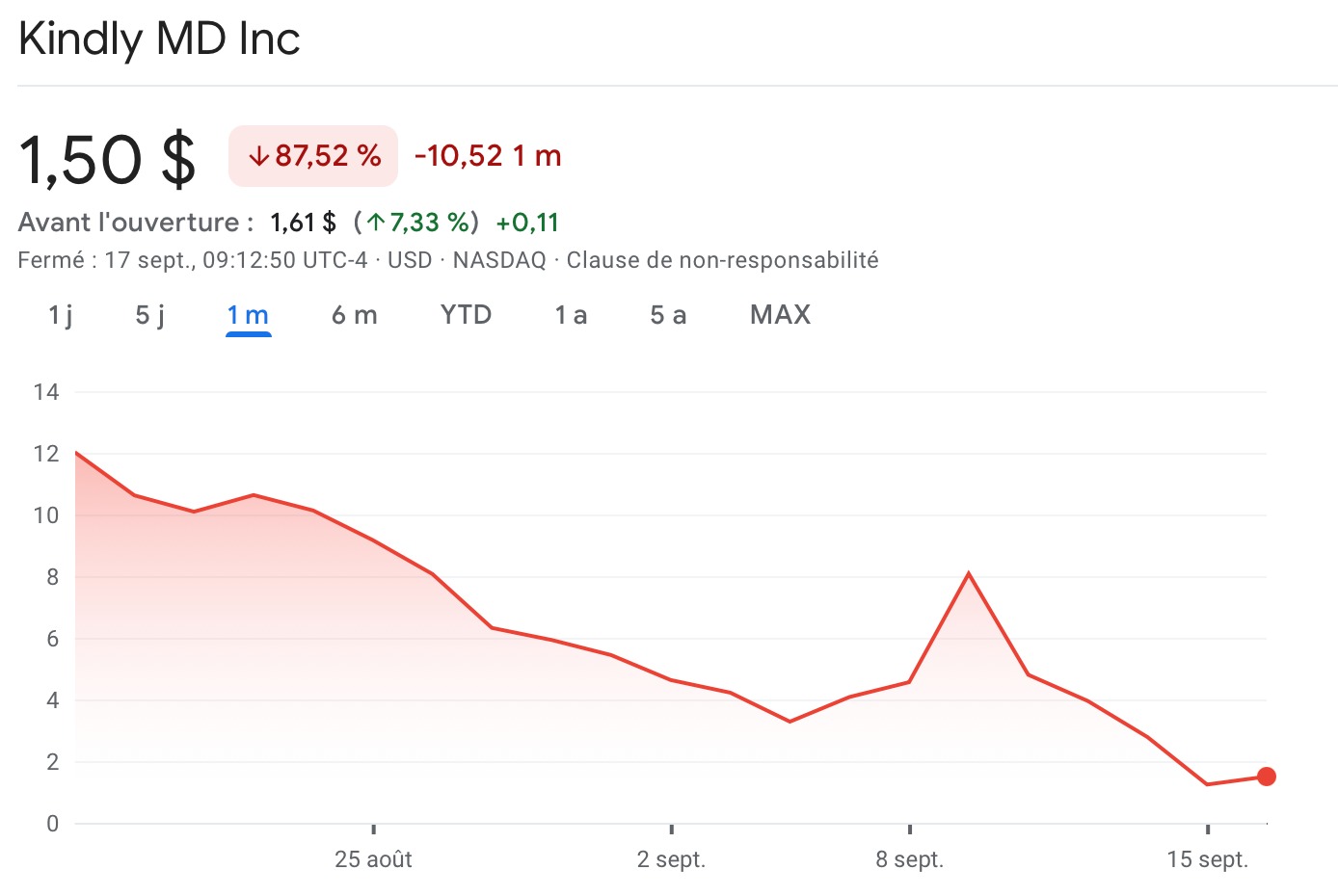
Even the leader, Strategy, has seen its mNAV premium fall to 1.26, its lowest level since March 2024. This explains why its weekly BTC buying campaigns have become less aggressive in recent times. According to Vetle Lunde, this slowdown in BTC buying fever among Bitcoin treasuries could have a positive impact on the BTC market, with the return of more organic demand from the ETF market and retail investors.