Since its launch, the Trump family’s World Liberty Financial project has been trying to find a use for itself in the cryptocurrency sector. Could it finally be by becoming a US bank to promote its USD1 stablecoin?
World Liberty Financial files for banking license
Since Donald Trump’s election in late 2024, his family business has taken a very clear direction towards the cryptocurrency market, to the point of making the past year a pivotal period for this sector in the United States and beyond.
In this field, the Trump family’s World Liberty Financial project stands out as a prime example of this strategy, both in terms of the revenue generated by the sale of its WLFI tokens and in terms of the numerous suspicions of associated conflicts of interest that could well lead to a postponement of national crypto legislation, initially planned for this year.
This has not dampened the motivation of its leaders, if we are to believe the latest steps taken to obtain a US banking license, following the filing of an official form by WLTC Holdings LLC, a company newly created for this purpose.
World Liberty Financial announced today that WLTC Holdings LLC has filed a de novo application with the Office of the Comptroller of the Currency (OCC) to create World Liberty Trust Company, National Association (WLTC), a national trust bank specifically designed for stablecoin-related operations.
World Liberty Financial
A bank designed to support the development of the USD1 stablecoin
According to the newly appointed president of World Liberty Trust Company, Zach Witkoff, “this application marks a new stage in the evolution of the World Liberty Financial ecosystem.” And with good reason, as this structure would officially become the issuer of its native stablecoin USD1, already supported by its recent “central” listing on Binance.
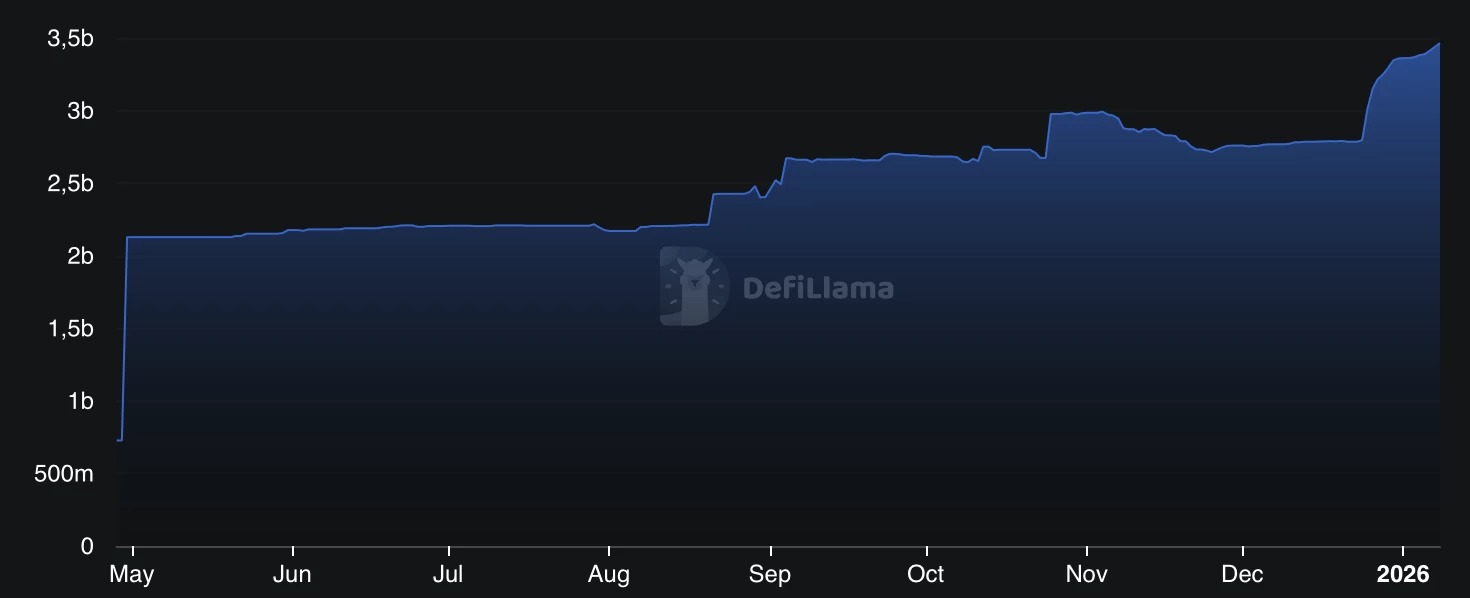
USD1 experienced the fastest growth in the history of stablecoins in its first year. Institutions are already using USD1 for cross-border payments, settlement, and treasury operations. A national banking charter will allow us to consolidate its issuance and custody under the umbrella of a single, highly regulated entity.
Zach Witkoff
The delegation of the issuance of the USD1 stablecoin to a third party raises questions, particularly as this type of arrangement currently benefits players such as Coinbase and PayPal, enabling them to pay interest to USDC and PYUSD holders, even though the GENIUS Act regulatory framework prohibits this.
Perhaps this is why the press release states that this future bank “will be structured to comply with the GENIUS Act” by applying “rigorous anti-money laundering (AML) and sanctions screening procedures.”
In any case, the purpose of this structure remains simple: “to provide banks, asset managers, and businesses with the regulatory clarity they need to further develop their use of the USD1 stablecoin.” This is a story to follow closely.