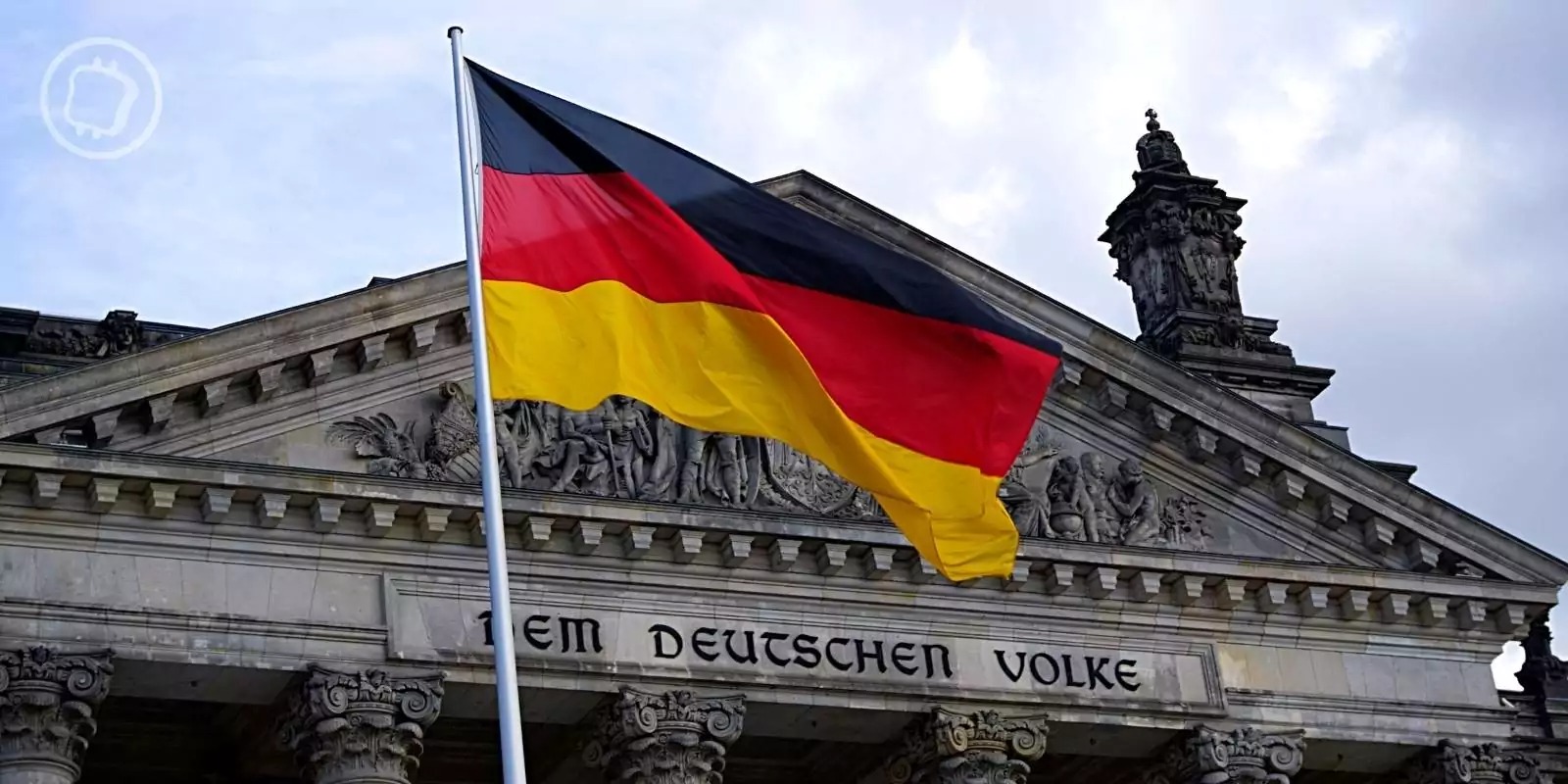
While Germany had taken the lead among other European countries by regulating cryptocurrencies as early as 2013 through BaFin, the country is now witnessing a wave of companies leaving and businesses closing. The culprits: overly strict regulations, astronomical licensing costs, and a lack of venture capital.
Regulations that are stifling crypto innovation in Germany
The German Federal Financial Supervisory Authority, known as BaFin, established clear guidelines for crypto activities as early as 2013, classifying Bitcoin as a private unit of account that did not require a license for simple payments. At the time, this attracted investors to the country, particularly thanks to the tax exemption on cryptocurrencies held for more than a year.
But Germany has gradually transformed its favorable regulatory environment into an obstacle course for crypto companies. Today, obtaining a license from BaFin costs at least €10,750 in fees, with a mandatory initial capital requirement of €125,000. On top of that, annual supervision fees can reach up to 500,000 euros depending on the complexity of operations, and the registration process can take up to six months.
These requirements have driven several major players out of the market. Binance withdrew its application for a German license in July 2023, citing significant changes in market conditions and regulations. Nuri, formerly Bitwala, went bankrupt in August 2022 after filing for insolvency, unable to find investors despite its 500,000 users. The exchange shut down permanently in December 2022.
And that’s not all. On top of that, German authorities shut down 47 crypto platforms in September 2024, accusing them of facilitating money laundering. While some were indeed illegal, among them were sites like Xchange.cash, which had been processing millions of transactions since 2012.
An exodus to more welcoming countries
Thus, the figures on innovation in Germany are telling: 26% of German tech startups are considering leaving the country, mainly due to a lack of venture capital. The Startup Report 2025 study, conducted among 152 startups by Bitkom, the German digital industry association, reveals that 81% feel that investment funds and business angels have become much more hesitant to invest. Even more concerning: only 23%, or less than one in four startups, believe there is enough money available in Germany to adequately fund the ecosystem.
For the crypto sector, this percentage could be even higher.
As a result, in recent years, many startups have preferred to set up shop in Estonia or Malta, where European regulations apply more easily without additional national laws or regulations. The United States, where President Donald Trump has shown increasing support for innovation and especially for cryptocurrencies, is also a good alternative.