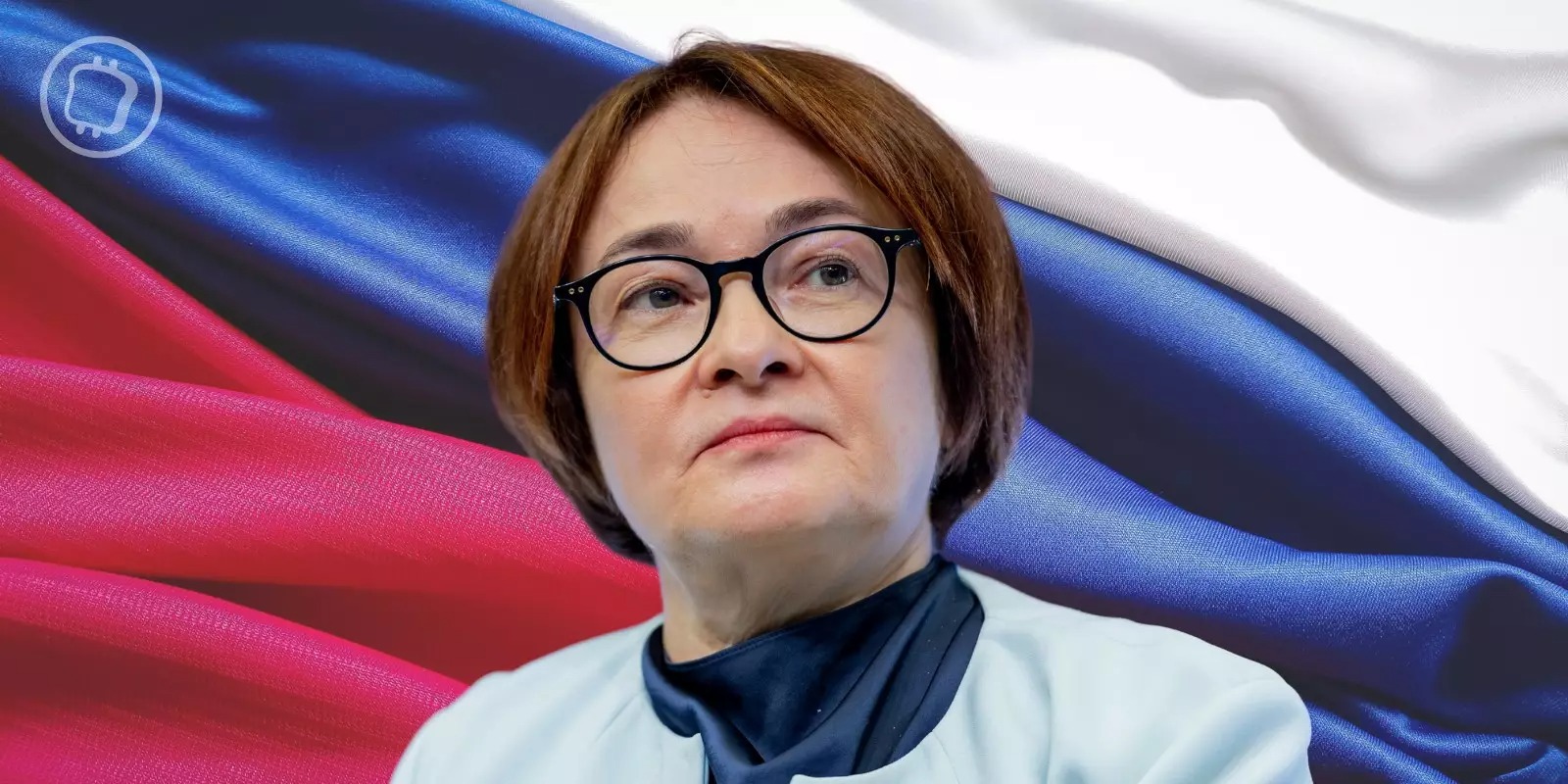
Could the significant growth in Bitcoin mining activity in Russia help strengthen the ruble? That is the opinion recently shared by the governor of the Russian central bank.
Russia wants to establish itself in the Bitcoin mining sector
Bitcoin occupies a rather ambivalent position globally, to the point that it is often criticized and controlled by countries with strong economies, while those facing structural or geopolitical difficulties try to take advantage of it to stabilize their situations.
This is particularly true in Russia, which was initially known for its firm stance and ban on cryptocurrencies, but has become much more flexible and welcoming since international sanctions hit its national economy.
In this context, the mining industry associated with the Bitcoin blockchain is experiencing significant growth in Russia, to the point where it is now a real influence in what has recently been described as a “hidden export” that needs to be taken more seriously.
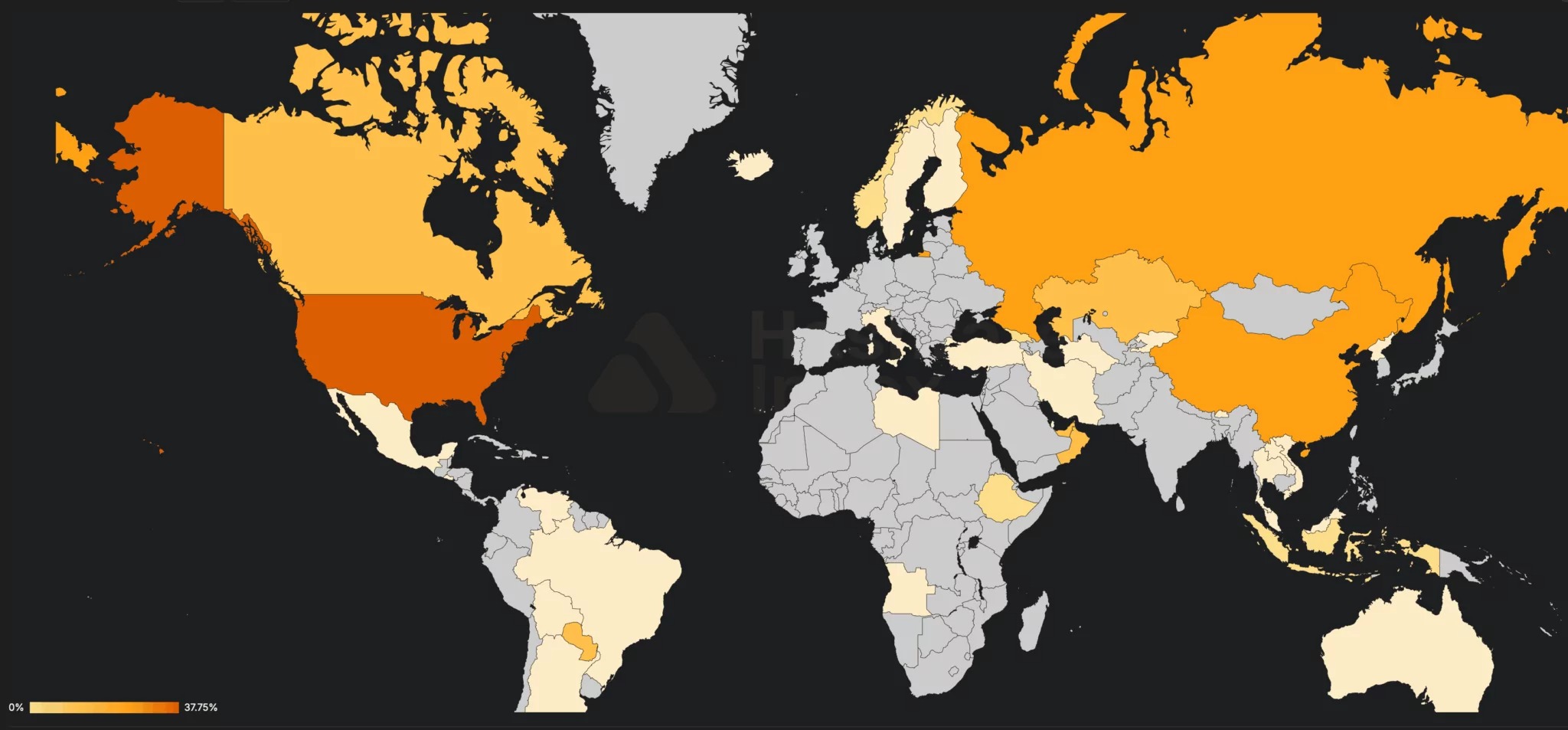
And with good reason, as this activity now accounts for 15.5% of global computing power (hashrate) at the end of this year, according to data from the Hashrate Index website, putting it in second place in the sector behind the United States, with an estimated share of 37.75%.
This situation was recently highlighted by the president of the central bank, Elvira Nabiullina, in an interview with local media outlet RBC. She has clearly decided to set aside her initial anti-crypto stance in favor of a more favorable view of supporting informed and strengthened mining in Russia.
“Mining is one of the additional factors contributing to a strong ruble.”
This trend seems to be confirmed following the recent intervention by one of Putin’s advisors in early December regarding the undervaluation of the cryptocurrency mining sector, now considered a “new export product” operating in a “disguised” form.
In this context, the Russian central bank had to carry out an in-depth assessment to measure its actual impact on the balance of payments. This step was recently confirmed by its president, who stated that “mining appears to be one of the additional factors contributing to a strong ruble.”
However, this statement was a measured one, as Elvira Nabiullina was quick to point out that “a significant part of this activity remains in a gray area,” making it difficult to estimate its real influence. the president of the Russian central bank indicated that 2026 could see her institution take a more relaxed stance on cryptocurrencies, as part of clearer regulations put in place in partnership with the Ministry of Finance, the anti-money laundering agency, and other government bodies.
This is a story to follow.