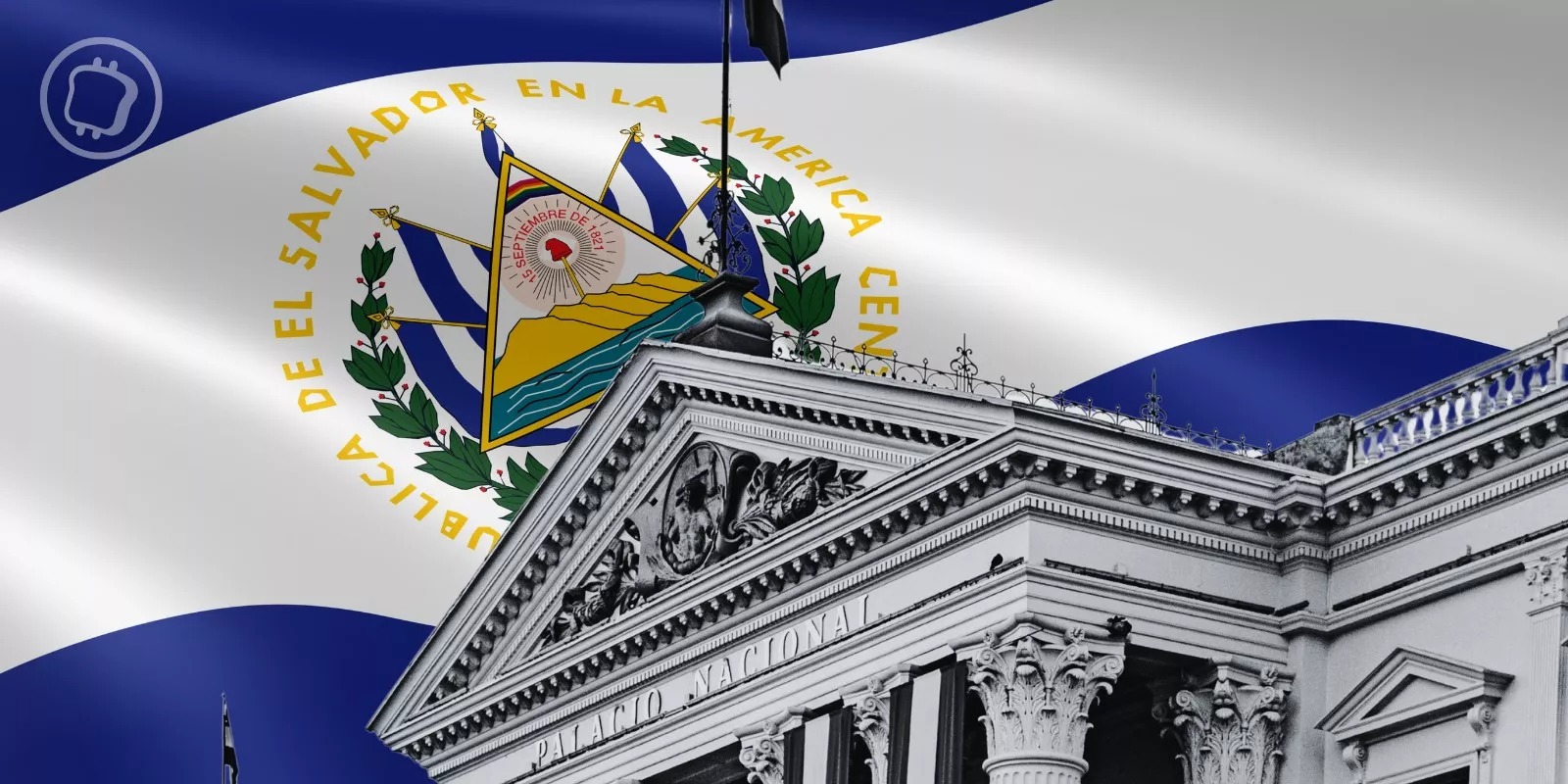
As it consolidates its pro-Bitcoin policy, El Salvador is preparing to open private investment banks backed by BTC. Inspired by the gold standard model, they aim to offer transparent financial services outside the traditional fiat system and debt-based money creation.
Bitcoin banks escaping central bank control
In September 2021, El Salvador made history by adopting Bitcoin as legal tender, quickly accumulating several thousand BTC. At the end of 2022, despite a bear market, President Bukele launched a daily purchase program, accumulating more than 6,241 BTC.
However, at the end of 2024, an agreement with the International Monetary Fund (IMF), accompanied by a $3.5 billion loan, required the cessation of BTC purchases. While Bukele and the Bitcoin Office claim to be continuing these acquisitions, the IMF maintains the opposite, believing that the movements observed in the government’s portfolios are simply transfers between existing addresses.
Despite doubts surrounding the transparency of the Bitcoin Office, the Salvadoran government does not seem ready to slow down its adoption of Bitcoin. This week, it announced the creation of Bitcoin banks.
🇸🇻🚀 pic.twitter.com/DEGUKMmhfd
— The Bitcoin Office (@bitcoinofficesv) August 8, 2025
In reality, this announcement marks the official launch of the promotion of a type of institution that has been under consideration since June 2024, when members of the government presented a bill to create private investment banks capable of operating in Bitcoin and US dollars.
According to the initial text, these institutions would be reserved for sophisticated investors, would have a minimum capital of $50 million, and would have to have at least two shareholders, whether local or foreign.
They would be able to provide digital asset services (mainly in Bitcoin), collaborate with international financial institutions, and would not be subject to the rule requiring 51% of investors to be Central American.
Here’s why a Bitcoin bank changes everything
A Bitcoin bank using BTC as a reserve would be similar to the model used by banks during the gold standard era. Customer deposits would thus be represented by claims directly backed by these BTCs, rather than by debt-created money. Each unit held by a customer would therefore correspond to real Bitcoin in reserve, eliminating the risk of over-issuance inherent in the current fiat system, which regularly causes bank failures or forces central banks to intervene in emergencies.
Loans would be granted solely from funds that are actually available, without creating money out of thin air. This model would offer transparency and stability, as the value of deposits would be directly linked to a scarce and decentralized asset, outside the control of central banks.
In addition, these banks would mark a return to healthier banking services, where bankers share risk with their customers, and where any loss would be final, with no “magic hand” to take the loss in their place.
In short, it would return to a monetary system based on a tangible asset: Bitcoin.