
Despite its current downward trend, the integration of Bitcoin into traditional finance remains an unprecedented success for its main players, such as global asset management leader BlackRock. A “big surprise” that now represents its main source of revenue.
BlackRock’s Bitcoin ETFs show $100 billion in allocations
It will soon be two years since the US stock market officially integrated spot Bitcoin ETFs in January 2024. This has been a minor revolution for its main fund managers, with a launch and results far exceeding all expectations. Indeed, these exchange-traded funds linked to the price of BTC are quickly establishing themselves as the best launches of the last 30 years, among a list of competitors involving several thousand financial vehicles of this type.
This success was clearly unexpected, according to Cristiano Castro, director of business development at BlackRock Brazil, in an interview with the financial media outlet Estadao E-Investidor. He described these results as a “big surprise,” with allocations now approaching $100 billion.
When we launched the product, we were optimistic, but we did not expect it to be so successful.
Cristiano Castro
This sum will be distributed among the various Bitcoin ETFs offered by BlackRock, such as the undisputed star IBIT on the US market, but also the local Brazilian version IBIT39. The iShares Bitcoin Trust (IBIT) alone has reached $70 billion in assets since its launch and generated approximately $245 million in annual fees.
Its most profitable source of revenue
To fully understand the scope of BlackRock’s Bitcoin ETF success, it is important to note that this global leader in asset management alone has more than 1,400 ETFs, with a total of $13.4 trillion in assets under management.
Among this multitude, these Bitcoin-related funds are now establishing themselves as its most profitable source of revenue, with the share of BTC held on behalf of its clients exceeding 3% of the total supply of this cryptocurrency.
This reality is also reinforced by the confidence expressed by the giant BlackRock with its Strategic Income Opportunities portfolio, whose stake in IBIT was recently increased to 14%, despite the current market turmoil.
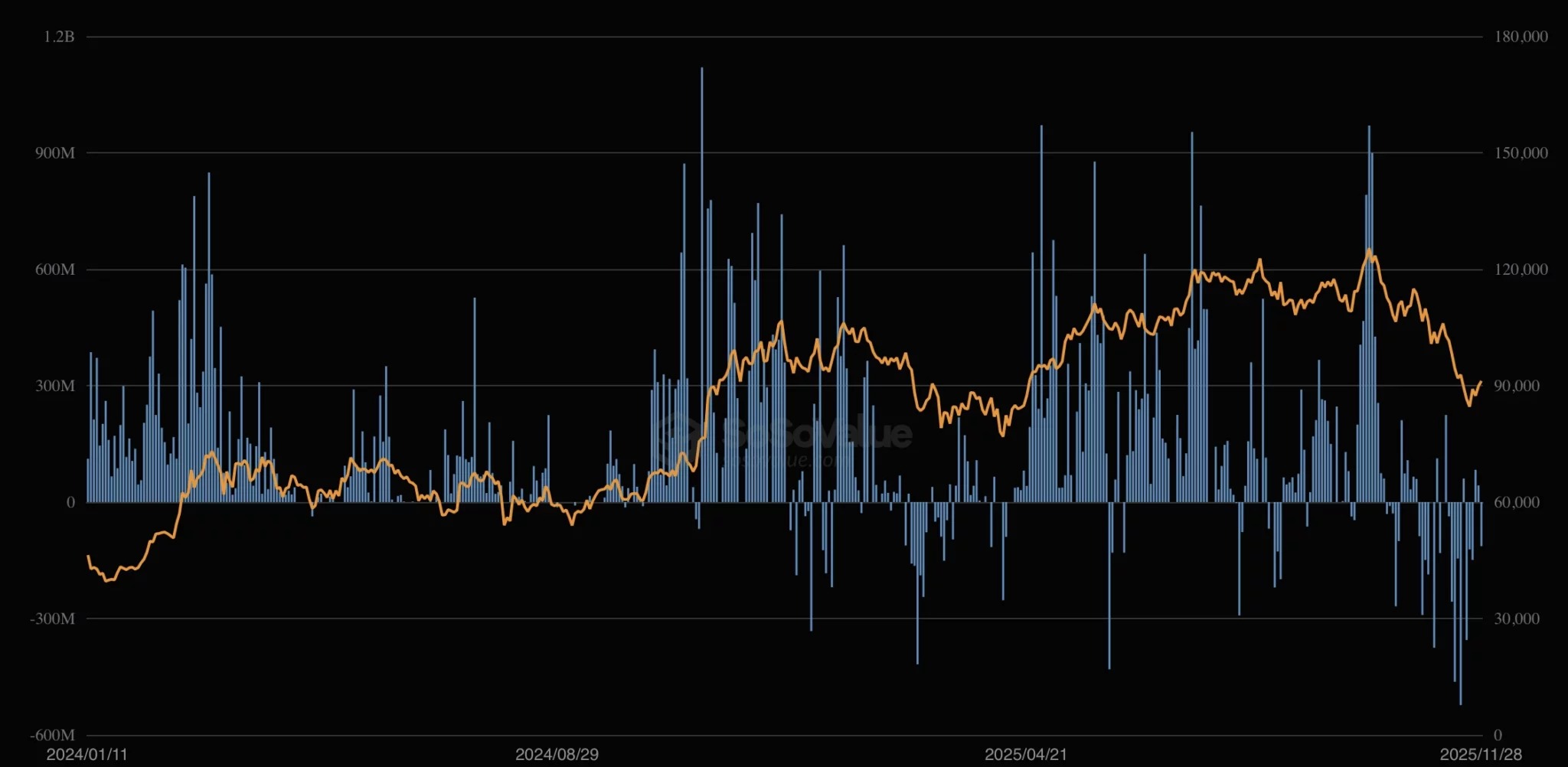
Indeed, Cristiano Castro is not particularly concerned about the current increase in net outflows in the spot Bitcoin ETF market. This is considered a fairly typical reaction from retail investors and does not call into question the ability of ETFs to establish themselves as “highly liquid and powerful tools designed to enable people to manage cash flows.”