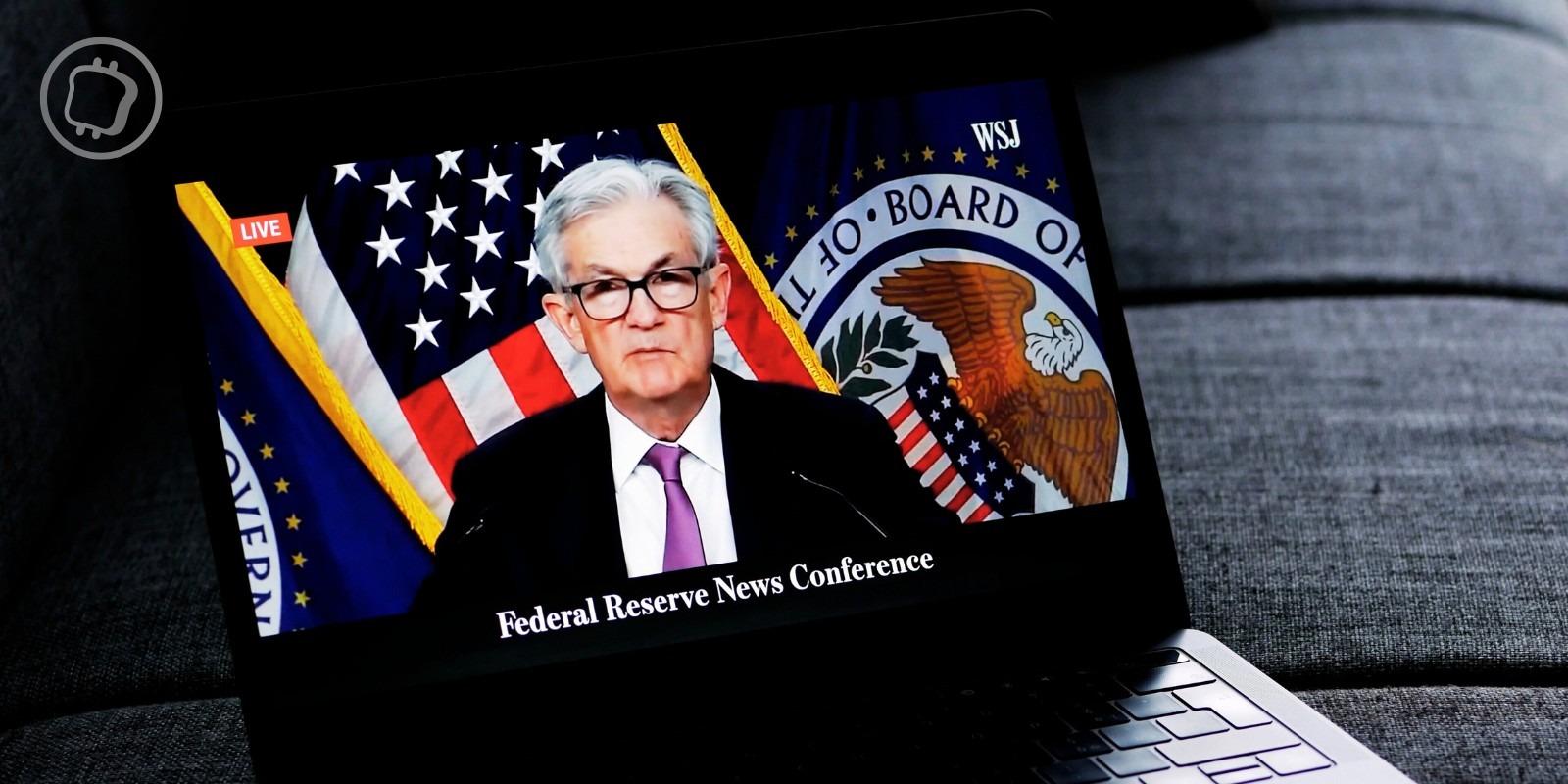
At the Wyoming Blockchain Symposium, the Fed’s vice chair warned banks that without blockchain, they won’t be around for much longer. Fraud prevention, improved customer service, and tokenization: the future of banking will happen with or without banks!
Banks must adopt blockchain or disappear
With blockchain, banks face a choice for survival: adapt or disappear. Although this is obvious to many people, this statement is far from unanimous.
Are you one of those who doubt it? Know that the Fed’s Vice Chair for Supervision, Michelle Bowman, is convinced of it.
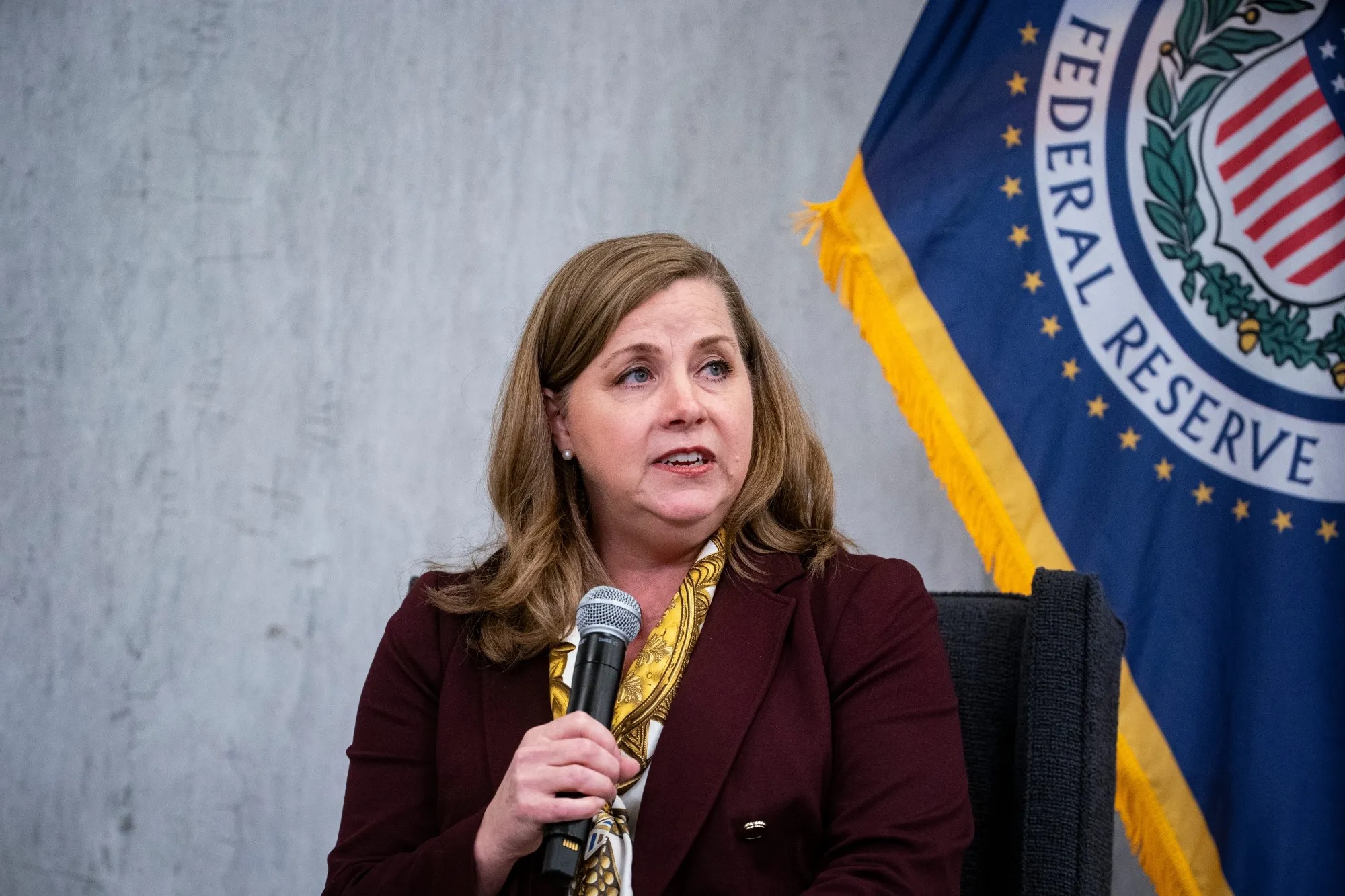
At the Wyoming Blockchain Symposium on August 19, Michelle Bowman warned banks that refuse to take the leap to blockchain. In her speech, she called on them to abandon their “cautious mindset” at the risk of becoming “obsolete.”
Banks and regulators need to understand new products and services. Adopting new technologies in the traditional financial sector is a necessity.
Blockchain brings necessary changes to the banking system
And if the Fed’s vice chair is making such statements, it’s not just a fad. As she says:
Blockchain can transform the way business is conducted, including how we prevent and detect fraud, manage risk, and provide customer service.
In addition to customer service, tokenization is attracting the attention of the banking system. Already praised by Larry Fink, CEO of Blackrock, tokenization is at the heart of the challenges facing the transformation of the global financial system. The general public is generally unaware of how rudimentary today’s banking and financial systems are.
Thanks to blockchain, assets could be tokenized and exchanged almost instantly, free of charge, without compromising security. These are advantages that are enough to make anyone’s mouth water.
Any change inevitably meets with resistance. This is the inertia decried by Michelle Bowman and embodied by stubborn old bankers.
Some banks have expressed concerns. But the banking system is constantly evolving, and technology will transform it, regardless of the opinions of banks and regulators.
The Fed is ready to take the first step toward blockchain!
Actions speak louder than words, and the Fed’s vice chair understands this well.
That’s why she doesn’t want to limit herself to fine words. Knowing that blockchain can potentially help fight fraud, she is ready to listen to suggestions and implement them immediately.
Blockchain can help fight fraud? I see this as an exciting opportunity for collaboration between the industry and the Fed.
In her view, this is a way to change attitudes towards blockchain, but above all towards change itself: “I am committed to changing the culture of the Fed and promoting the adoption of new technologies, such as blockchain and artificial intelligence.”
The only alternative, in her opinion, to avoid complete disappearance:
If we don’t take this approach, we risk seeing the banking system lose its importance and banks play an increasingly less significant role in the global financial system.