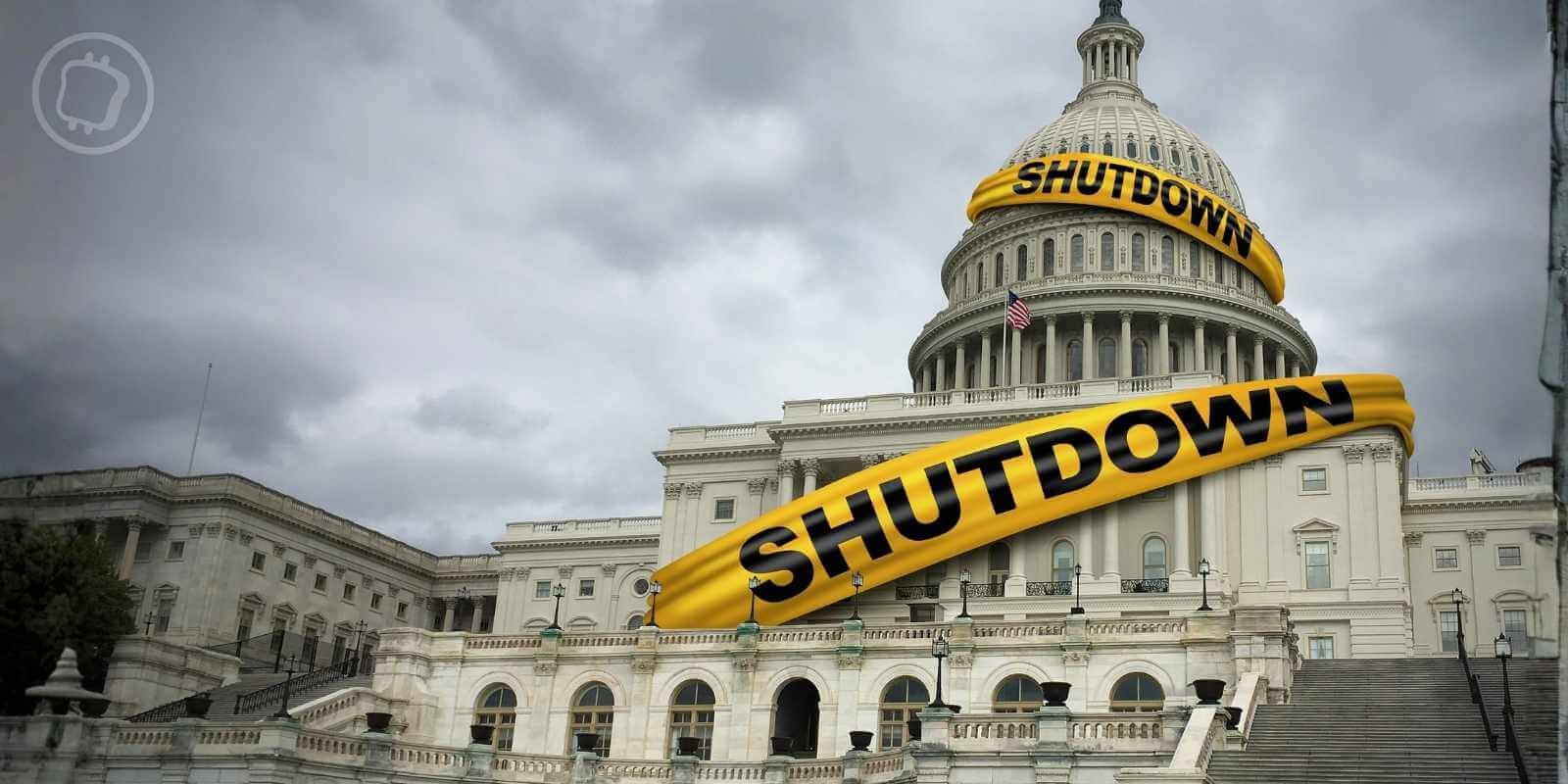
A bill to fund the US government could be blocked by opponents of Donald Trump, against the backdrop of the ICE crisis. The government could face another shutdown by the end of the week. What would this mean for the financial markets?
Another shutdown looms amid crisis in Minneapolis
After US immigration police ICE shot and killed two people in Minneapolis within a few days of each other, unrest is growing. And the crisis is spreading to Washington, as Democratic lawmakers are now refusing to vote for a bill that would provide more funding for ICE.
The bill would allocate $64 billion to the Department of Homeland Security (DHS), including $10 billion for ICE. This police force has been criticized for its violent actions, which have escalated to the point of shooting at non-aggressive protesters.
Several Democrats have therefore made known their intention to block the vote on ICE funding, including Mark Warner, the senator from Virginia:
I cannot and will not vote to fund DHS as long as this administration continues these violent federal takeovers of our cities.
The consequences of another shutdown
The last US shutdown lasted 43 days between October and November 2025. A little over two months later, the possibility is back on the table, highlighting the deep political crisis the United States is going through.
For the US economy, a shutdown would add to an already tense situation. Economists estimate that the last shutdown cost the US 0.8 percentage points of growth. Furthermore, the uncertainty could have an impact on the stock and bond markets, which are particularly sensitive to instability.
Another notable consequence is that key publications on employment, inflation, and spending will not be released or will be delayed in the event of a shutdown. This would force the government to navigate by sight and encourage the Federal Reserve to exercise caution.
Gold and silver continue their rally amid tensions
Between internal crises, tensions over Greenland, and Donald Trump’s sensational statements, the geopolitical atmosphere is explosive. This has fueled interest in precious metals, with gold setting record highs in recent months.
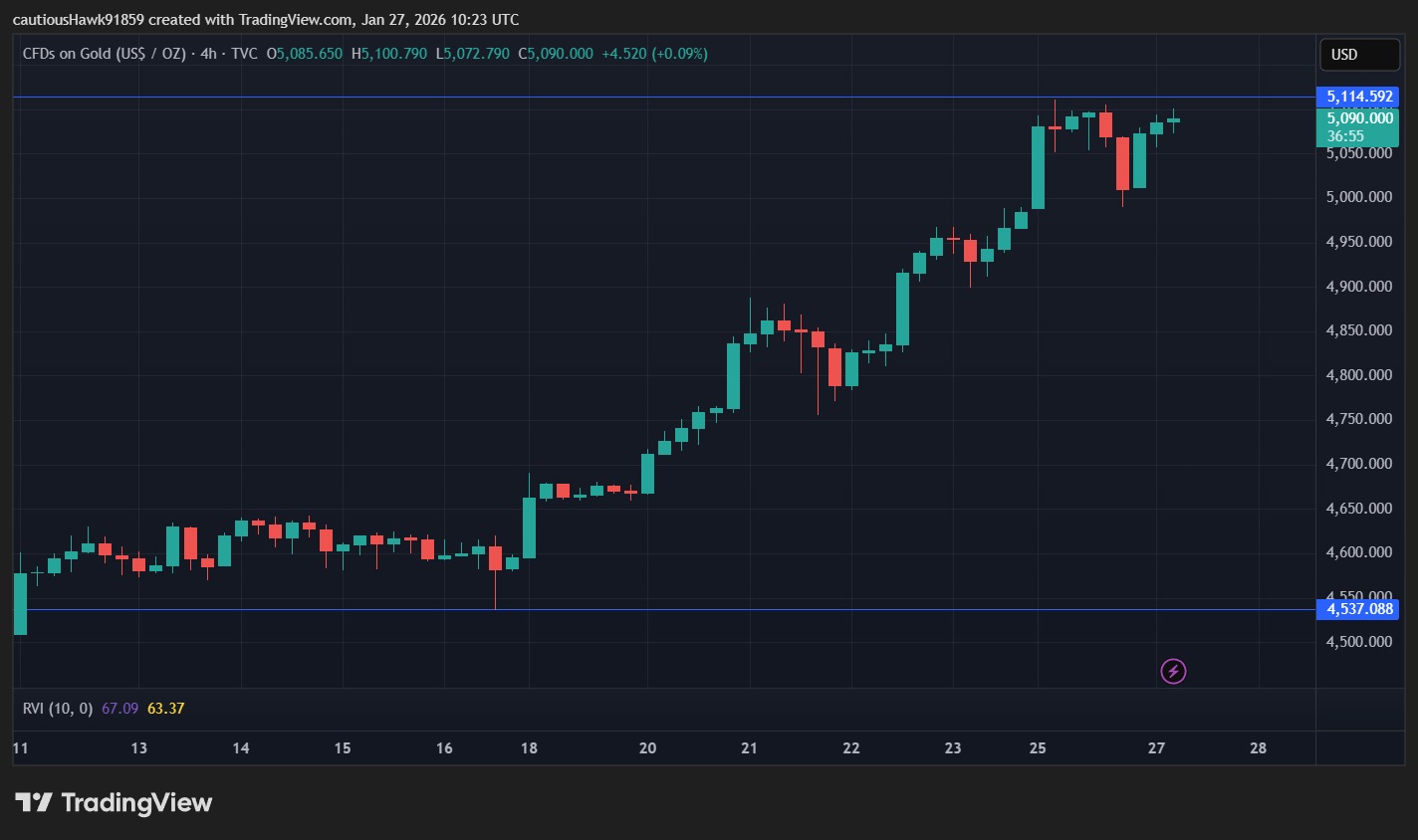
The same scenario applies to silver, which has also been breaking records since the end of 2025. The price of an ounce of silver jumped yesterday, reaching $1,176.5, an unprecedented price range. As for Bitcoin, it continues to fluctuate, rising 0.01% over the last 24 hours.
Surprisingly, Wall Street seems largely unaffected by the ongoing crisis. Both the Nasdaq and the S&P 500 closed higher yesterday. While American escapades tend to shake up the markets, there is now another reality: the markets are getting used to a new normal. The US administration’s crisis policy is therefore profoundly changing the way the markets react.