RTE warns of an energy paradox: France produces more electricity than it consumes. To avoid rising costs, the network operator is calling for an increase in demand. Bitcoin mining appears to be a possible, flexible, and controllable solution.
From a shortage crisis to a surplus crisis, the French electricity grid is in trouble
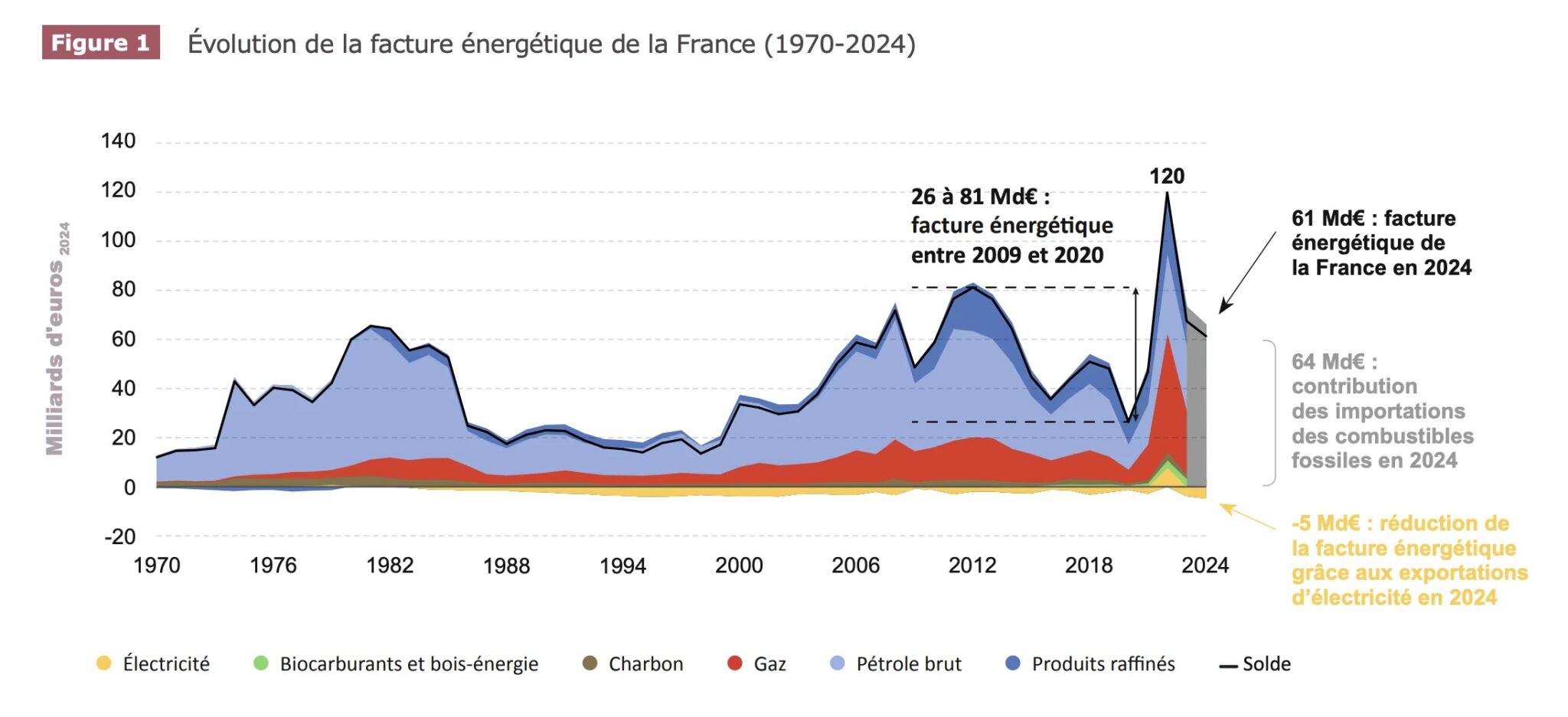
More than three years after the electricity price surge of 2022, France is facing a new paradox: the risk of shortages has disappeared, but now it is overproduction of electricity that is causing concern and penalizing the grid.
In its 2025-2035 forecast, published on December 9, 2025, the electricity grid operator RTE warns of the economic consequences of insufficient electricity consumption.
While France has restarted its nuclear reactors and increased its renewable energy production, electricity demand is not keeping pace. As a result, the country is producing more than it consumes. This imbalance, far from being insignificant, could lead to a 7-10% increase in the cost of the electricity grid, according to RTE. In other words, electricity bills could rise due to lack of demand.
To avoid this, RTE insists on the need to accelerate the electrification of transport, heating, and industry. The report mentions an ambitious target of 8 million electric cars on the road by 2030, compared to 6 million in a slower scenario.
According to RTE, if no action is taken, the current overcapacity could force a deliberate slowdown in production, particularly nuclear and solar, with financial losses for producers, partly offset by public money.
Bitcoin mining to save the electricity grid and lower French electricity bills
Although an increase in French electricity consumption could help stabilize or even lower electricity prices, this is still insufficient.
Even if RTE’s recommendations were followed, demand peaks would still occur at the beginning and end of the day, while demand would remain lower at night. To meet this demand, producers must be able to deliver sufficient energy during peak demand periods, which automatically generates surpluses during off-peak periods, often sold at a loss or even completely wasted.
This is precisely where Bitcoin comes in. By creating flexible and controllable electricity demand, Bitcoin mining could connect to the grid during periods of surplus and automatically shut down when demand increases.
If this seems unprecedented to you, you should know that this practice already exists in several countries: the United States (particularly Texas), Japan, Bhutan, and even the now famous Virunga National Park in the Democratic Republic of Congo.
In July, 77 members of the National Assembly introduced a bill to exploit these surpluses, mainly from nuclear and renewable energies, to power Bitcoin mining during a five-year experimental phase. This initiative is worth keeping a close eye on.