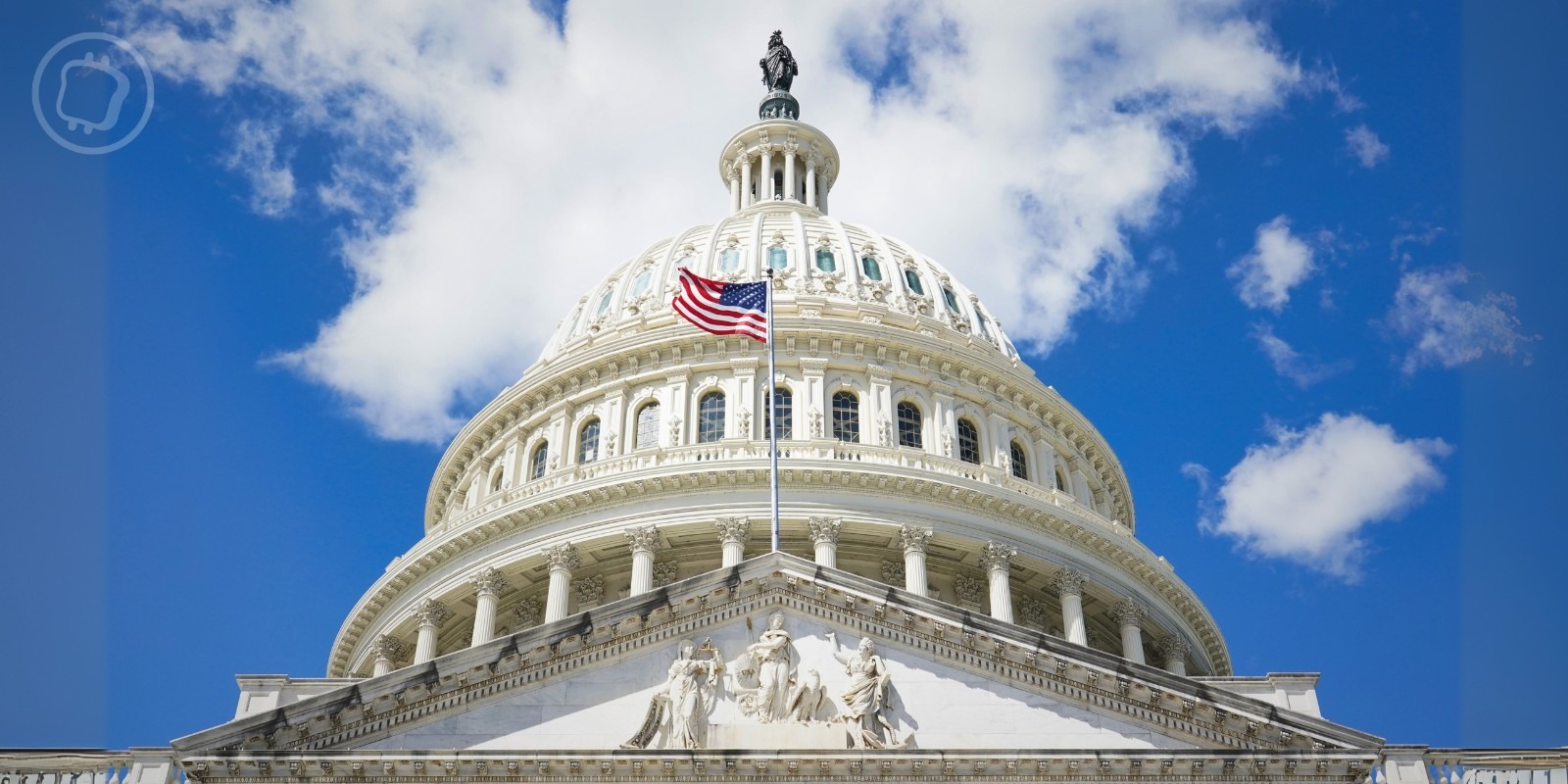
One week, three major bills. The United States is preparing to vote on bills this week that all affect the crypto industry. What are they and what can we expect?
The three bills of “Crypto Week” in the United States
To say that the Trump administration is pro-crypto is now an understatement: the government has made a complete U-turn after a more cautious Biden administration. And this week, three major bills are being discussed in Washington.
First, the House of Representatives is set to vote on the GENIUS Act, a bill regulating private stablecoins. Private companies will now be formally authorized to issue stablecoins, opening the door to a wave of assets from large US companies.
The only entities exempt from regulation under the GENIUS Act are the president and vice president of the United States. The move has already drawn criticism from the opposition – remember that the Trump family is currently working on a stablecoin project.
Clarity Act and Anti-CBDC Surveillance State Act
The other two bills examined this week are more concerned with US institutions. The Digital Asset Market Clarity Act clarifies, as its name suggests, what falls under the jurisdiction of the Securities and Exchange Commission (SEC) and the Commodity Futures Trading Commission (CFTC).
Several regulatory measures will now be handled by the CFTC, with the SEC retaining less control over players in the crypto industry. More specifically, cryptocurrencies deemed “mature” will no longer have to undergo the Howey Test and will be directly supervised by the CFTC. As for the SEC, it would continue to regulate initial investment offerings, but would leave the supervision of exchange platforms and brokers to its neighboring agency.
The other major bill discussed this week is the Anti-CBDC Surveillance Act. This bill, which has strong support among Republicans, aims to prevent the US Federal Reserve from issuing a central bank digital currency (CBDC).
Supporters of the bill believe that CBDCs pose serious risks to citizen surveillance, risks that are not present with stablecoins.
As a reminder, the United States is one of the few major economies that does not have a CBDC project in the works.
These crypto laws follow underlying trends in the United States: openness to stablecoins, opposition to CBDCs, deregulation or at least relaxation of rules for players in the sector.
“Crypto Week” was heavily criticized by the opposition, which called it “Corruption Week.” The links between Donald Trump and cryptocurrencies were highlighted, and the greater laxity towards crypto companies raises fears of excesses in the years to come.
Nevertheless, the Trump administration is moving forward with its regulation. The United States is becoming a legal testing ground for cryptocurrencies, which will undoubtedly shape the industry in the years to come.