Seven Nobel Prize winners in economics published an op-ed yesterday calling on France to tax its billionaires more heavily. They claim that billionaires account for 30% of French GDP, a threshold rarely seen anywhere in the world.
French billionaires not taxed enough, according to Nobel Prize winners in economics
Published yesterday in Le Monde, the opinion piece brings together several Nobel Prize winners in economics: Daron Acemoglu, George Akerlof, Abhijit Banerjee, Esther Duflo, Simon Johnson, Paul Krugman, and Joseph Stiglitz. It highlights some key figures: the ultra-rich pay comparatively little tax compared to average taxpayers: around 0.1% of wealth in France:
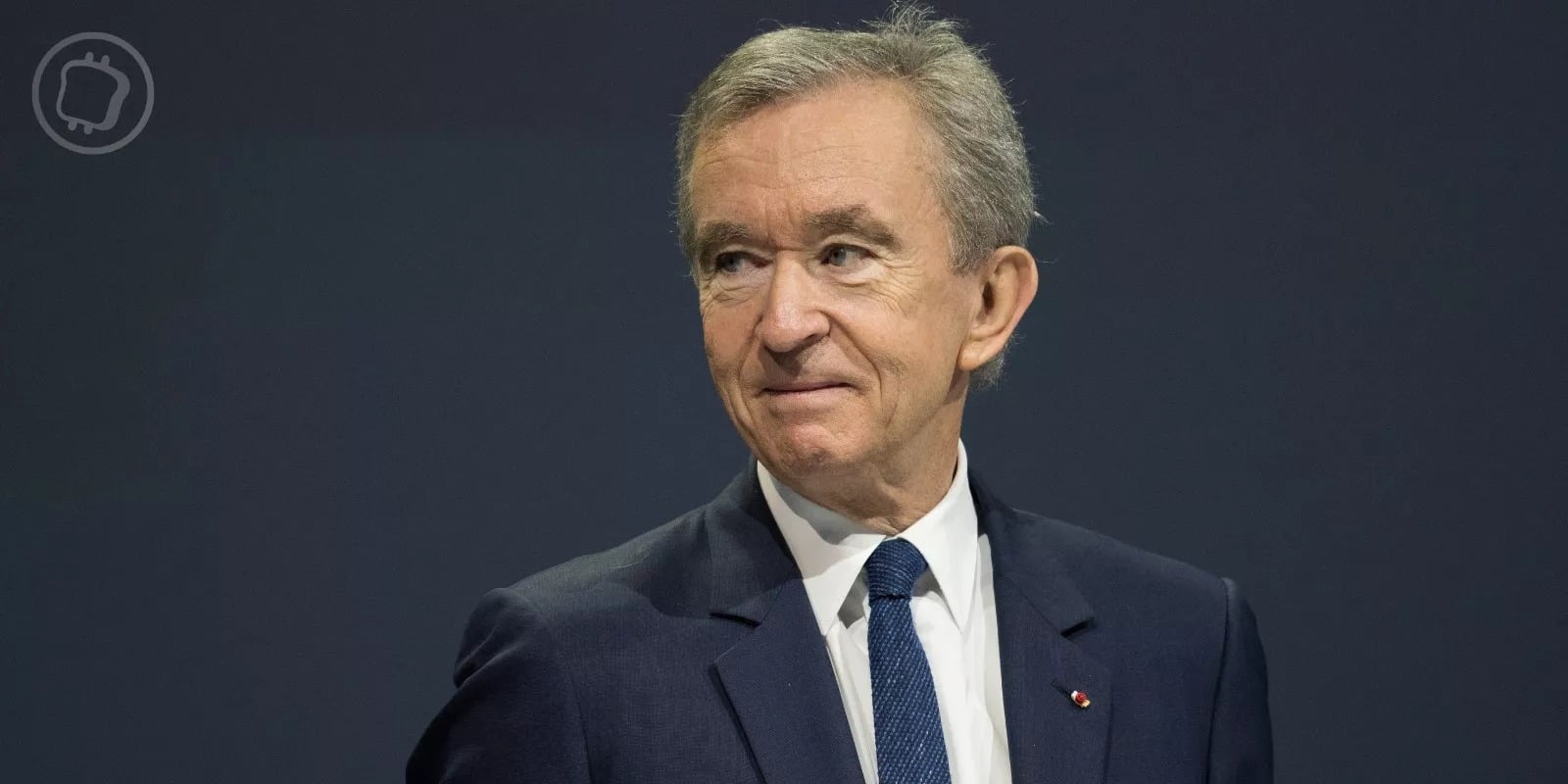
From Bernard Arnault to Elon Musk, billionaires have lower effective tax rates than the average taxpayer.
The Nobel laureates point out that American billionaires are taxed more than their French counterparts, mainly because of laws that prevent them from using holding companies to avoid paying taxes. This makes it necessary to do the same thing in France, according to the op-ed:
Placing a greater burden of justice on billionaires is not only necessary, but above all possible.
French billionaires account for a much larger share of GDP in France than elsewhere.
In France, they account for 30% of GDP, compared with an average of 14% in other countries around the world. This is why the Nobel laureates have focused on this country in their call for higher taxation.
This appeal comes at a time when the “Zucman tax,” which was supposed to increase taxation on the very wealthy, has been rejected by the Senate. It would have introduced a 2% tax on the wealth of individuals with more than €100 million. It would have generated between €15 billion and €25 billion per year. The Nobel Prize winners in economics are therefore calling for the introduction of a similar tax, pointing out that similar initiatives have been taken in other countries around the world:
This project is in line with history. In 2024, Brazil put the subject on the G20 agenda. On June 30, Brazil and Spain announced their intention to work together on taxing the ultra-rich, quickly joined by South Africa and Chile.
As for opponents of the bill, who predict a wave of tax evasion, they find a response in the opinion piece, with the Nobel laureates arguing that the fears are unjustified:
As was the case when income tax was introduced at the beginning of the 20th century, opponents of this measure are predicting multiple disasters. Neither historical experience nor economic knowledge supports their views.
This appeal highlights the importance of this issue in the political debate, at a time when inequality is growing around the world and in France. According to INSEE, the ratio between the richest 20% and the poorest 20% reached 4.5 in 2023, a record high since 1996.