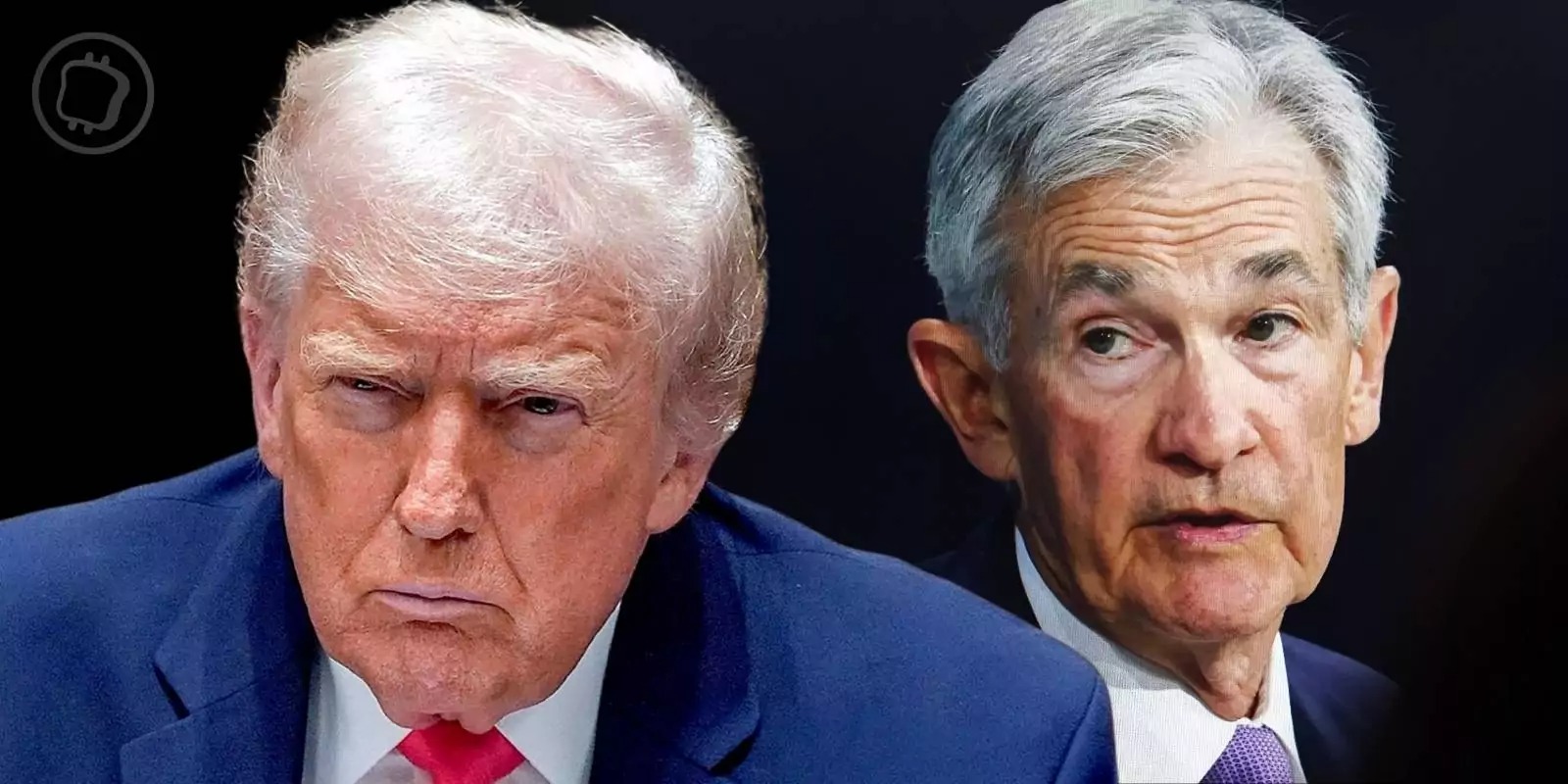
Gold and silver hit all-time highs this week. Precious metals are being driven by fears surrounding the conflict between Donald Trump and the Federal Reserve, which reached new heights after Jerome Powell was subpoenaed.
Tensions between the Fed and Donald Trump are shaking up the precious metals markets
Tensions between the Federal Reserve and Donald Trump have existed since the start of the U.S. president’s second term. But this week, the conflict reached a new stage: Jerome Powell received a subpoena and faces potential criminal charges. The Fed chair has asserted that these charges are merely a pretext and serve a single purpose: to weaken an institution that the president cannot control.
Faced with these threats to the country’s stability, the precious metals markets have reacted. The price of a 5,000-ounce gold bar reached $8,629 yesterday, an all-time high. This represents an 8% increase in the space of a few hours. As a reminder, the precious metal has been setting record highs for several months, and geopolitical tensions have only accentuated the trend:
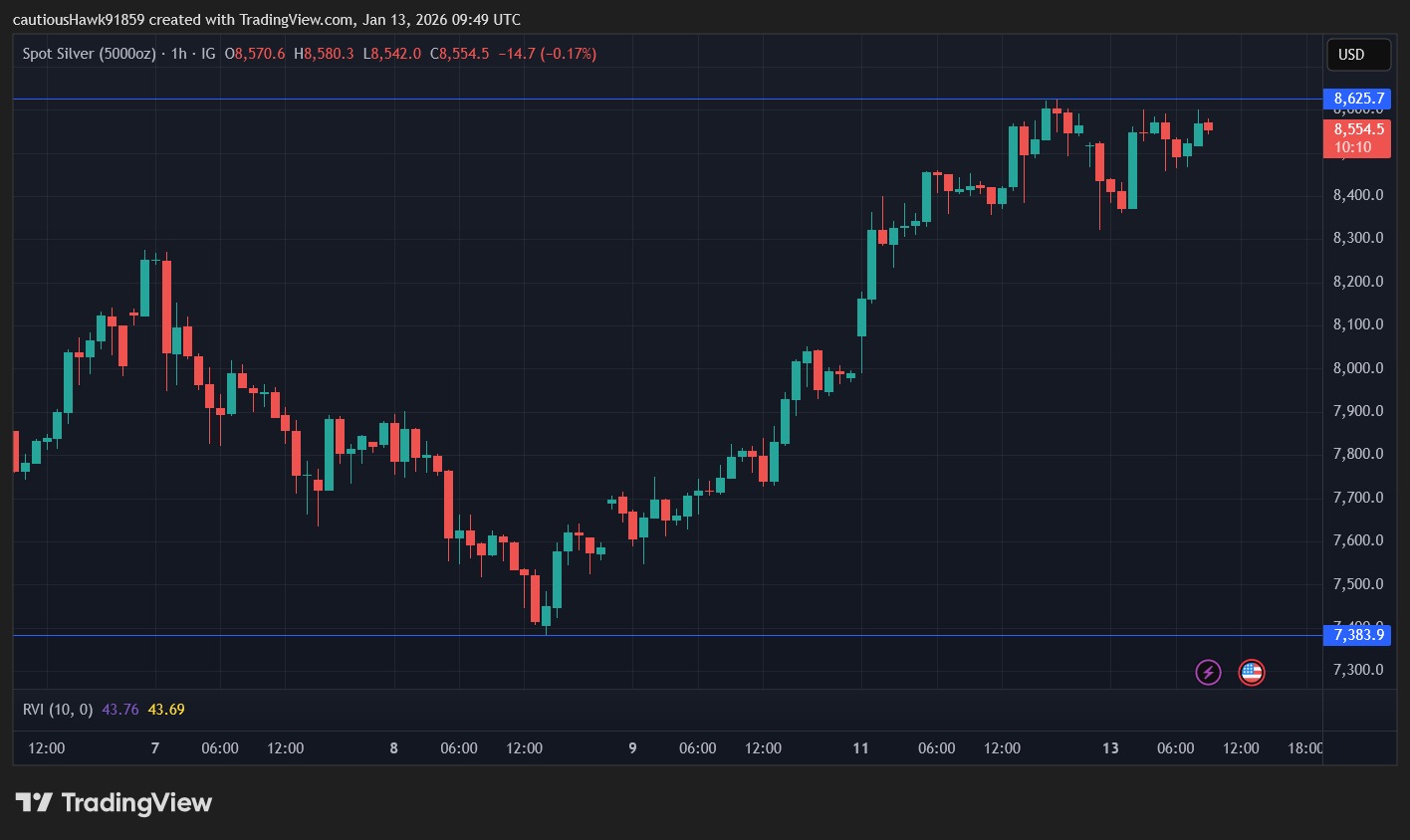
Silver prices surge following the announcement of the subpoena
As for gold, the trend is the same. The yellow metal has also seen a surge since January 11. It hit an all-time high of $4,630 per ounce, after jumping 2.7%. Gold has also been setting record highs in recent months.
Impact on Other Markets
Bitcoin, sometimes dubbed “digital gold,” has not enjoyed the same enthusiasm. The cryptocurrency’s price fell 1.1% over the week. Wall Street is also hesitant: the Nasdaq closed up 0.08% yesterday. As for the S&P 500, it was up 0.16% at the close of trading yesterday. The CAC 40 also appears hesitant: the French index was down 0.29% around 11 a.m. The same scenario played out for the German DAX (-0.14%) and the British FTSE (+0.05%).
In May, the Federal Reserve chair is expected to step down. Donald Trump has already planned a replacement, as he seeks greater control over the regulatory body—which is supposed to be independent. But this move could be risky for the U.S. president. Dissenting voices have emerged among Republicans, who fear financial destabilization.
Furthermore, according to Bloomberg, international central banks are reportedly working on a joint statement to support the Federal Reserve Chair. The Bank for International Settlements (BIS) is said to be leading this initiative, which would further widen the gap between the U.S. economy and the rest of the world.